Key Takeaways:
- Relapse after outpatient is a matching problem, not a willpower problem. If a lower level of care didn’t hold, it usually means you need more structure and distance from triggers—exactly what inpatient rehab in Oklahoma City provides.
- Inpatient care is a different intensity, not a punishment. At South Coast Behavioral Health OKC, guests live on-site with 24/7 support, daily individual and group therapy, and a home-like setting that keeps recovery focused.
- Your job and family aren’t lost while you’re in treatment. FMLA can offer up to 12 weeks of job-protected leave for eligible employees, your care stays confidential under HIPAA, and family therapy is built into treatment.
- Admission is simple and often same-day. A brief confidential call checks bed availability and recommends the right level of care. South Coast is in-network with Cigna and Anthem Blue Cross Blue Shield, with private-pay options available.
Choosing More Structure When Outpatient Care Falls Short
Question:
Do I need inpatient rehab if I relapsed after outpatient in Oklahoma City?
Answer:
If you relapsed within weeks of finishing an outpatient program in Oklahoma City, it doesn’t mean you failed—it usually means the level of care didn’t match what you needed. Inpatient rehab in OKC offers a step up in intensity, not a punishment for coming up short. At South Coast Behavioral Health OKC, inpatient (residential) treatment means living on-site with 24/7 clinical support, daily individual and group therapy, and a home-like setting that removes the daily triggers outpatient care can’t shield you from. Most guests begin with medical detox, then move through residential treatment, PHP, and IOP as they grow stronger. Your job may be protected under FMLA, your treatment stays confidential under HIPAA, and family therapy keeps loved ones involved. Admission is simple, often same-day, and starts with a brief confidential assessment. Call 866-881-1184 to check bed availability and start admissions—South Coast is open 24/7/365.
You finished an outpatient program. You did the work, showed up to sessions, and left feeling like you had a handle on it. Then, a few weeks later, it slipped. Maybe it was a bad day, an old friend, or a moment alone in the house. Whatever it was, the relapse came fast—and now you’re staring at the same problem, wondering what went wrong with you.
Here’s the thing: nothing went wrong with you. Relapse after outpatient care is common, and it usually points to a mismatch in intensity, not a failure of willpower. Outpatient treatment asks you to recover in the same environment where the addiction took root. For some people, that works. For others, the triggers are simply too close and too constant. That’s not weakness. That’s a matching problem.
This guide explains what inpatient rehab in Oklahoma City actually involves—who it helps, what a day looks like, how long people stay, what happens with work and family, and how to get admitted. The goal is to help you see inpatient care for what it is: a different level of intensity, not a punishment for coming up short. If you want a side-by-side breakdown first, our guide on inpatient vs. outpatient rehab in OKC lays out the differences.
Who Is Inpatient Rehab in OKC Actually For?
Inpatient rehab—also called residential treatment—is for people who need to step away from their daily environment to focus fully on recovery. You live on-site at the facility, surrounded by clinical support around the clock.
At South Coast Behavioral Health OKC, inpatient care tends to be the right fit for guests who:
- Relapsed shortly after outpatient treatment. If a lower level of care didn’t hold, the issue is often that your environment offered too many triggers and too little structure.
- Have a home life full of triggers. When the people, places, and stress that fuel use are always within reach, distance helps.
- Are physically dependent on alcohol or drugs. Withdrawal from alcohol or benzodiazepines can be dangerous, which is why medical detox in Oklahoma City is usually the safe first step before residential care begins.
- Have a co-occurring mental health condition. Depression, anxiety, PTSD, and trauma often sit underneath substance use. Dual diagnosis treatment addresses both at the same time.
- Have tried to stop before and couldn’t. Repeated attempts don’t mean you’re incapable. They mean the level of support hasn’t matched the level of need.
If any of these describe you, inpatient care isn’t a step backward. It’s a step up in intensity—the kind of environment that gives recovery a real chance to hold.
What Does a Day in Inpatient Treatment Look Like?
The unknown is often scarier than the reality. A lot of people picture inpatient rehab as sterile and clinical, closer to a hospital than a home. At South Coast, the setting is home-like and structured, with therapy and support woven throughout the day.
While every schedule is tailored to the guest, a typical day in residential addiction treatment tends to move like this:
- Morning: You start the day with a routine—breakfast, a check-in, and often a group session focused on goals or reflection. Structure is part of the treatment. It rebuilds the daily rhythm that addiction erodes.
- Midday: Individual therapy, group therapy, and psychoeducation make up the core of treatment. This is where you dig into the reasons behind the substance use, not just the behavior itself.
- Afternoon: Sessions may include relapse prevention, trauma-informed therapy, or skill-building. There’s also time for holistic and wellness activities that support the body alongside the mind.
- Evening: Guests wind down with lower-key activities, peer connection, and rest. Meals are prepared by an on-site chef, and nights are calm and monitored.
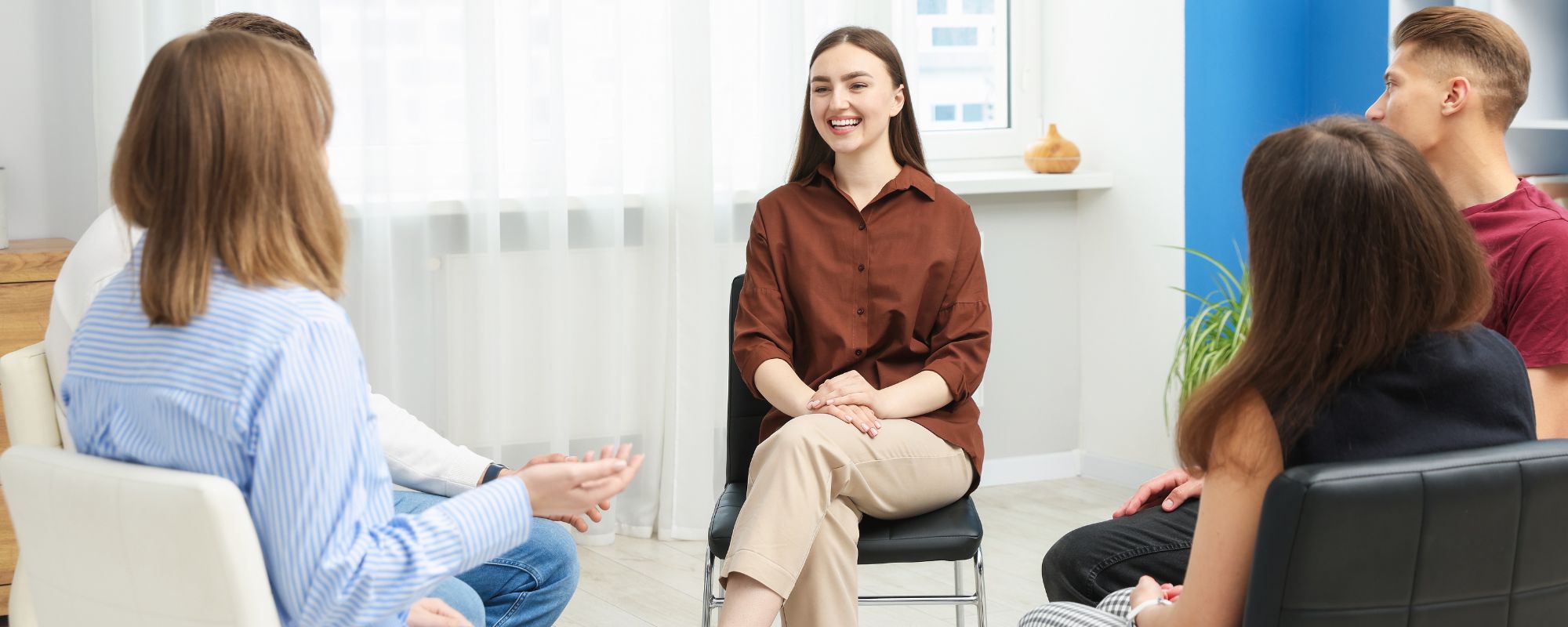
Therapy happens in individual sessions and small groups of up to six people, which keeps the clinical work focused and personal. Because you’re living on-site, there’s always someone there—no gaps between sessions where cravings or hard moments catch you alone.
How Long Do People Stay in Inpatient Rehab?
There’s no single number, because length of stay depends on your history, your progress, and your needs. That said, residential treatment is measured in weeks, not days.
Most guests move through a continuum rather than a fixed endpoint. Here’s how it typically unfolds at South Coast Behavioral Health OKC:
- Medical detox comes first for anyone with physical dependence—usually a few days to about a week, depending on the substance.
- Residential (inpatient) treatment follows, providing structured, round-the-clock care while you focus on the underlying work of recovery.
- Partial hospitalization (PHP) offers intensive daytime treatment as you begin to step down.
- Intensive outpatient (IOP) provides continued therapy as you return to more of daily life.
The point of this structure is gradual, guided progress. You don’t leave inpatient care and get dropped back into the world with no support. You step down through levels as you grow stronger, which is a big part of why this approach holds better than a single round of outpatient treatment. If you want to see how the full continuum of care in Oklahoma fits together, South Coast lays out every level in one place.

Get confidential help from our addiction treatment specialists in Oklahoma City. Call to join our rehab program today!
Call 866-881-1184What Happens to Your Job While You’re in Treatment?
This is one of the most common worries, and it’s a fair one. Stepping away from work feels risky—but so does letting addiction run unchecked.
The good news is that federal protections exist for exactly this situation. Under the Family and Medical Leave Act (FMLA), eligible employees can take up to 12 weeks of unpaid, job-protected leave for a serious health condition, which can include substance use disorder treatment. That means your position may be protected while you get care. The Americans with Disabilities Act (ADA) also offers certain protections for people seeking treatment for a substance use disorder.
A few things worth knowing:
- Your treatment is confidential. Under HIPAA, what you share with South Coast stays private. You control what your employer knows.
- You don’t have to disclose the specifics. In many cases, you can request medical leave without detailing the exact nature of your condition.
- Admissions can help you plan. The team understands how disruptive work concerns feel and can talk through timing so you can step into care with a plan in place.
Weighing a few weeks of leave against the cost of continued relapse is hard in the moment. But protecting your health is what makes protecting your job—and everything else—possible over the long run.
Can You See and Talk to Family During Inpatient Rehab?
Yes. Connection with the people who love you is part of healing, not something recovery asks you to give up.
Family involvement is a core piece of care at South Coast Behavioral Health OKC. Family therapy is built into treatment, because addiction affects the whole household and recovery is stronger when loved ones understand what you’re going through. Specific visitation and phone policies vary and are designed to protect the focus of early treatment, so the admissions team will walk you through exactly what contact looks like during your stay.
For families, knowing a loved one is safe and medically supported can bring real relief. And for guests, staying connected to the people you’re recovering for can be one of the strongest reasons to keep going.
How Do You Get Admitted to Inpatient Rehab in OKC?
Getting started is far simpler than the fear around it suggests. You don’t need to have everything figured out before you reach out—that’s what the admissions team is for.
Here’s how the admissions process works at South Coast Behavioral Health OKC:
- Call or reach out. An admissions coordinator listens, answers your questions, and talks through what you need. No judgment, no pressure.
- Complete a brief confidential assessment. You’ll share some basics—your history with substances, your health, your insurance information if you have it. The clinical team uses this to recommend the right starting level of care. Everything stays confidential under HIPAA.
- Check bed availability and come in. Once a spot is confirmed and you’re enrolled, you’re welcomed into a comfortable, home-like residence, and treatment begins under the care of the team.
Cost shouldn’t stand between you and care. South Coast is in-network with Cigna and Anthem Blue Cross Blue Shield, works with many other major insurers, and offers private-pay options. You can verify your insurance in about 30 seconds and get a clear picture of your coverage before you arrive. Traveling from elsewhere in Oklahoma or out of state? The team helps coordinate your travel, too.
Among the detox centers in Oklahoma and residential programs available, South Coast keeps the whole continuum under one roof, so you never have to piece treatment together from separate providers. If you’re wondering what to pack or how quickly you can start, this guide on detox admissions, timeline, and what to bring covers the details.
Looking for quality substance abuse treatment that’s also affordable? South Coast accepts most major insurance providers. Get a free insurance benefits check now.
Check Your CoverageThe Relapse Wasn’t the End of Your Story
If outpatient treatment didn’t hold, that information is useful, not damning. It tells you something specific: you likely need more structure and more distance from daily triggers than an outpatient schedule can provide. That’s a matching problem with a clear solution.
Inpatient rehab in Oklahoma City gives you a home-like place to focus, a clinical team surrounding you around the clock, and a step-down path that supports you long after the hardest days pass. You don’t have to white-knuckle recovery on your own, and you don’t have to carry the weight of the last attempt into this one.
Call 866-881-1184 to check bed availability and start admissions. South Coast Behavioral Health OKC is open 24 hours a day, 7 days a week, 365 days a year for a free, confidential conversation.
Frequently Asked Questions
What’s the difference between inpatient and outpatient rehab?
Inpatient rehab means living on-site at the facility with 24/7 support and daily therapy, fully removed from your usual environment. Outpatient rehab lets you live at home while attending scheduled treatment sessions. Inpatient offers more intensity and structure, which often matters most for people who relapsed after outpatient care or whose home life is full of triggers.
Does relapsing after outpatient mean I failed?
No. Relapse after outpatient treatment is common and usually signals that the level of care didn’t match your level of need—not that you lack willpower. Stepping up to inpatient care addresses that mismatch by giving you more structure and distance from triggers.
How long does inpatient rehab in Oklahoma City last?
Residential treatment is typically measured in weeks and varies by individual. Most guests begin with medical detox (a few days to about a week), move into residential care, then step down through partial hospitalization and intensive outpatient as they grow stronger.
Will my job be protected during treatment?
In many cases, yes. Eligible employees can take up to 12 weeks of job-protected leave under the Family and Medical Leave Act (FMLA) for a serious health condition, which can include addiction treatment. Your treatment stays confidential under HIPAA, and the admissions team can help you plan timing.
Can I contact my family during inpatient rehab?
Yes. Family involvement, including family therapy, is a core part of treatment at South Coast Behavioral Health OKC. Specific visitation and phone policies protect the focus of early treatment, and the admissions team will explain exactly what contact looks like during your stay.
How do I check bed availability and get admitted?
Call 866-881-1184 to speak with an admissions coordinator. After a brief confidential assessment, the team confirms current bed availability and, in many cases, can admit you the same day. You can verify your insurance online before you arrive.
- Centers for Disease Control and Prevention. (2024, April 24). Treatment of substance use disorders. Centers for Disease Control and Prevention. https://www.cdc.gov/overdose-prevention/treatment/index.html
-
Alcohol withdrawal. Harvard Health. (2024, November 5). https://www.health.harvard.edu/diseases-and-conditions/alcohol-withdrawal-a-to-z
-
View all posts
Content Writer
Evan Gove serves as the Senior Strategist of Organic Growth for Aliya Health Group’s nationwide network of addiction and behavioral health treatment centers, including South Coast. He earned his BA in Writing and Rhetoric from Hobart and William Smith Colleges in 2012. Since 2023, he has developed SEO strategies and managed content production to engage readers and build a strong online presence.