
Alcohol Addiction
Alcohol addiction, also known as alcohol use disorder (AUD), is a pervasive and challenging health issue that affects millions of people worldwide. It is characterized by the compulsive and uncontrolled consumption of alcohol, despite the negative consequences it has on an individual’s life. Alcohol addiction can take a severe toll on physical health, mental well-being, relationships, and overall quality of life.
Unlike those with problematic drinking levels, people with alcohol use disorder are unable to control their consumption of alcohol. For this reason, it is vital for these individuals to seek the help of licensed professionals.

What Is Alcohol Addiction?
Alcohol addiction, also known as alcohol use disorder (AUD), is a chronic and progressive condition characterized by an individual’s compulsive and problematic consumption of alcohol. It is a significant public health concern that impacts millions of people globally.
Alcohol, a legal and widely available psychoactive substance, is consumed for various reasons, including relaxation, socialization, and stress relief. However, not everyone who drinks develops AUD. The development of alcohol addiction involves a complex interplay of genetic, environmental, and psychological factors. Genetic predispositions, exposure to heavy drinking environments, and personal vulnerabilities can increase the risk of addiction.
AUD is a diagnosable condition according to the Diagnostic and Statistical Manual of Mental Disorders (DSM-5). It encompasses a range of symptoms, including increased tolerance, withdrawal symptoms, unsuccessful attempts to quit or cut down, and neglect of important social, occupational, or recreational activities due to alcohol use.
Alcohol abuse is closely related to mental health. Many individuals with AUD have co-occurring mental health disorders such as anxiety, depression, or trauma. Alcohol is often used as a form of self-medication to alleviate mental health symptoms, but it can worsen these conditions over time, creating a harmful cycle. Integrated treatment that addresses both AUD and mental health issues is essential for effective recovery and improved overall well-being.
Causes and Risk Factors of Alcohol Addiction
Alcohol addiction is a multifaceted condition influenced by a blend of genetic, environmental, and psychological factors. Understanding these causes and risk factors is essential for developing effective treatment programs and supporting lasting recovery. In Costa Mesa, CA, and throughout Southern California, individuals seeking help can benefit from alcohol rehab centers that offer evidence-based treatment methods and a personalized approach to care.
One of the most significant risk factors for alcohol addiction is family history. Research shows that individuals with close relatives who have struggled with alcohol addiction are at a higher risk themselves, highlighting the genetic component of this condition. However, genetics is only part of the picture. Environmental influences—such as growing up in a household where heavy drinking is normalized, experiencing trauma or chronic stress, or being exposed to peer pressure—can also increase the likelihood of developing alcohol addiction.
Mental health plays a crucial role as well. Conditions like depression, anxiety, and other co-occurring disorders often intersect with alcohol addiction, as individuals may turn to alcohol as a way to cope with emotional pain or psychological distress. This can create a cycle where alcohol use worsens mental health symptoms, making recovery more challenging without integrated mental health treatment.
On a biological level, repeated alcohol use alters the brain’s reward system, affecting neurotransmitters like dopamine and serotonin. These changes can drive compulsive drinking behaviors and make it difficult for individuals to control their alcohol consumption, even when they recognize the negative impact on their health and relationships.
To address these root causes, treatment centers in Orange County provide comprehensive alcohol treatment programs that include medical detox, residential treatment, outpatient programs, and aftercare planning. These evidence-based treatment options are designed to create a supportive environment where individuals can heal, develop healthy coping skills, and work toward long-term sobriety.
By focusing on the underlying factors that contribute to alcohol addiction and offering personalized treatment plans, alcohol rehab centers in Southern California empower individuals to achieve lasting recovery. With the right support, evidence-based care, and ongoing aftercare, individuals and their families can look forward to improved health, stronger relationships, and a brighter future free from addiction.
What Are the Signs and Symptoms of Alcohol Addiction?
The signs and symptoms of alcohol addiction, also known as alcohol use disorder (AUD), can manifest in various ways, impacting an individual’s physical, mental, and social well-being. While some people believe alcohol is a stimulant due to its euphoric effects, the substance is actually a depressant. Like other depressant drugs, alcohol slows down the brain’s central nervous system (CNS), which can produce a sense of relaxation. The more someone drinks, the more apparent the depressant’s effects become. Alcohol is one of the most commonly abused drugs, and drug and alcohol addiction often share similar signs and require comprehensive treatment approaches. Drug addiction, like alcohol addiction, can affect people from all walks of life and often requires specialized care.
Here are some common signs that someone may be abusing alcohol. Signs of alcohol abuse encompass physical, psychological, and social aspects:
- Increased Tolerance: Needing more alcohol to achieve the desired effect or experiencing reduced intoxication with the same amount.
- Withdrawal Symptoms: Experiencing physical and psychological symptoms when not drinking, such as tremors, anxiety, nausea, or sweating.
- Loss of Control: Inability to limit or control alcohol intake, often drinking more than intended.
- Unsuccessful Attempts to Quit: Repeatedly trying to cut down or quit drinking but being unsuccessful.
- Neglecting Responsibilities: Prioritizing drinking over important obligations like work, school, or family.
- Cravings: Strong, uncontrollable desires for alcohol, leading to compulsive drinking.
- Interference with Daily Life: Disruption of daily activities and social interactions due to alcohol use.
- Continued Use Despite Consequences: Continued drinking despite experiencing negative consequences, such as legal problems, health issues, or relationship strain.
- Isolation: Withdrawal from social activities and hobbies in favor of alcohol use.
- Drinking in Risky Situations: Consuming alcohol in situations where it's physically hazardous, such as while driving.
Recognizing these signs early is essential for timely intervention and support. If you or someone you know exhibits these symptoms, seeking professional help is crucial for addressing alcohol addiction and working towards a healthier, alcohol-free life.
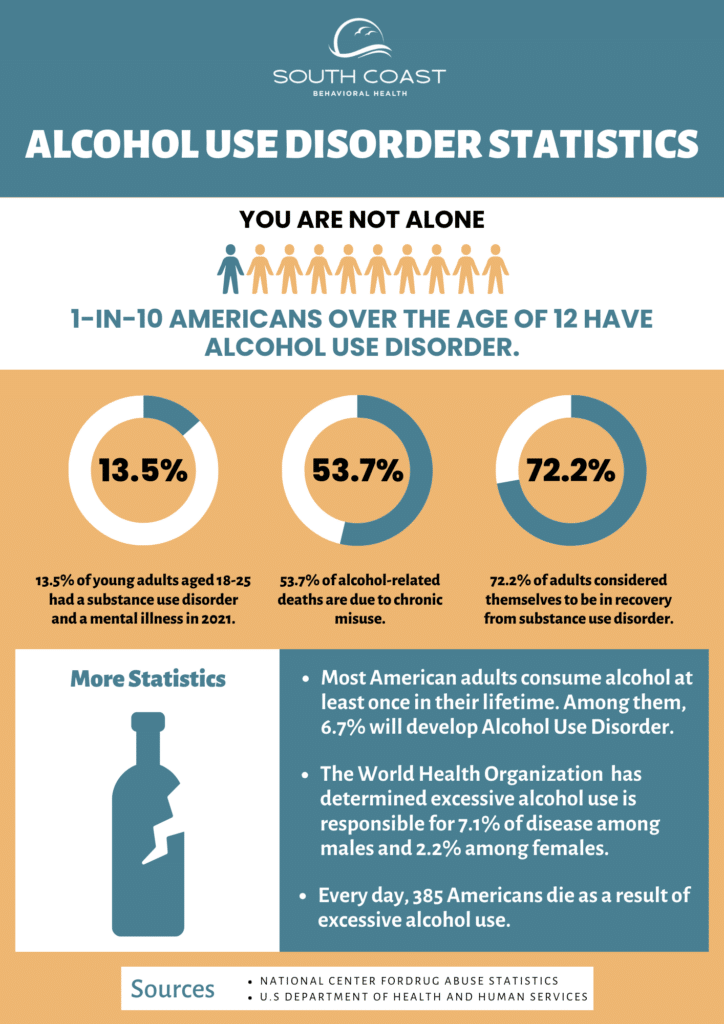
When Do You Need Alcohol Addiction Treatment?
The road to alcohol addiction often begins with casual or social drinking but can progress to problematic use and dependence. People with AUD may find it increasingly difficult to limit their alcohol intake, leading to a range of physical and psychological symptoms when they try to cut down or quit. These symptoms, combined with cravings and an escalating tolerance to alcohol, contribute to the cycle of addiction.
Drinking alcohol is widely accepted in most social circles which is why it is important to take a step back and look at your relationship with alcohol. With that said, recognizing the need for alcohol addiction treatment can be challenging, as it often involves honest introspection and acceptance of a problem.
Here are some indicators that it may be time to seek help for a drinking problem:
- Loss of Control: If you find it difficult to limit the amount of alcohol you consume, repeatedly drink more than intended, or are unable to quit despite your efforts, it may be a sign of a problem.
- Health Consequences: Alcohol abuse can lead to physical and mental health issues, such as liver disease, depression, or blackouts. When your drinking starts impacting your well-being, it's time to consider treatment.
- Neglecting Responsibilities: Prioritizing alcohol over important life obligations, such as work, family, or school, is a clear signal that your drinking is problematic.
- Relationship Strain: If your drinking is causing conflicts with loved ones, leading to broken relationships, it's time to seek help.
- Legal Problems: Legal issues like DUIs or public disturbances due to alcohol can be a strong indication that you need treatment.
- Repeated Failed Attempts to Quit: Trying to cut down or quit drinking multiple times without success is a sign of addiction.
Examples of taking drinking too far include:
- Regularly drinking to the point of intoxication.
- Drinking alone or in secrecy.
- Needing alcohol to cope with stress or emotions.
- Blacking out or experiencing memory lapses due to excessive drinking.
- Engaging in risky behaviors while intoxicated, such as driving under the influence.
If you or someone you know exhibits these signs, it’s crucial to reach out to a healthcare professional or an addiction treatment center. Early intervention can prevent further harm and facilitate the journey to recovery.
Understanding the complexities of alcohol addiction is crucial in addressing and effectively treating this condition. It involves a combination of medical, psychological, and social interventions to help individuals regain control over their lives and achieve lasting sobriety.
What Is Alcohol Addiction Treatment Like?
Alcohol addiction treatment is a comprehensive process that typically involves multiple stages, tailored to your needs, preferences, and goals in treatment. Here’s an overview of what alcohol treatment entails:

Treatment begins with a thorough assessment by a healthcare professional to determine the severity of the addiction and identify any co-occurring mental health disorders. This assessment guides the development of a personalized treatment plan.
In cases of severe alcohol dependence, medical detoxification may be necessary. This involves supervised withdrawal in a safe environment to manage withdrawal symptoms and ensure the individual’s safety.
MAT may be utilized for alcoholism treatment. Medications like naltrexone, acamprosate, or disulfiram help reduce cravings and support long-term recovery. They are often combined with therapy.
For individuals with co-occurring mental health disorders, dual diagnosis treatment is essential. It addresses both the addiction and the underlying mental health condition, often involving a combination of medication and therapy.
Various psychotherapies are used, such as Cognitive-Behavioral Therapy (CBT), Motivational Enhancement Therapy (MET), and Dialectical-Behavior Therapy (DBT). These therapies address the psychological aspects of addiction, helping individuals change unhealthy behaviors and thought patterns.
Holistic approaches, including mindfulness, yoga, nutrition counseling, and exercise, promote overall well-being and help individuals develop healthy coping mechanisms.
After completing the initial treatment program, individuals typically transition to aftercare services, which may include outpatient therapy, support groups (e.g., Alcoholics Anonymous), and ongoing medication management if needed.
Throughout the treatment process, the focus is on providing support, education, and strategies for relapse prevention. Alcohol addiction treatment aims to empower individuals to build a sober and fulfilling life, addressing physical, psychological, and emotional aspects of their recovery journey.
How Long Is Alcohol Addiction Treatment?
The duration of alcohol addiction treatment varies from person to person and depends on several factors, including the severity of addiction, individual progress, and the specific treatment plan. Typically, treatment can range from a few weeks to several months.
The recovery timeline is not limited to the duration of formal treatment. Achieving and maintaining sobriety is often a lifelong commitment. Even after completing a rehab program, individuals may continue with aftercare services, such as outpatient therapy or participation in support groups like Alcoholics Anonymous, to strengthen their sobriety.
Professional treatment centers play a crucial role in helping individuals develop relapse prevention plans. These plans include identifying triggers, creating coping strategies, and establishing a support network. The goal is to equip individuals with the tools and skills needed to navigate the challenges of daily life without turning to alcohol.
In essence, alcohol addiction treatment is a transformative journey that extends beyond rehab, requiring ongoing attention and effort. It’s a commitment to a healthier, sober life that can be achieved and sustained with the right support and resources.
Alcohol Detox Information
Alcohol detox is often the first step in recovery for people who have developed a physical dependence on alcohol. When someone stops drinking after prolonged or heavy alcohol use, the body and brain need time to adjust. This transition can be uncomfortable, and in some cases, alcohol withdrawal can become serious or even life-threatening. Because of that, detox is safest when it takes place under professional medical supervision.
At South Coast Behavioral Health, detox is designed to help patients withdraw from alcohol in a safe, supportive, and more comfortable environment. South Coast offers 24/7 clinically supervised medical and observational detox services, and its team can provide FDA-approved medications to help ease withdrawal discomfort so patients can focus on healing. The broader treatment approach also emphasizes individualized care and a full continuum of support.
What Is Alcohol Detox?
Alcohol detox is the process of clearing alcohol from the body while managing withdrawal symptoms. For many people, detox begins within hours after their last drink. Early symptoms may include anxiety, sweating, nausea, shaking, headaches, irritability, and trouble sleeping. In more severe cases, withdrawal can involve confusion, hallucinations, seizures, or delirium tremens.
The detox process is not the same for everyone. A person’s symptoms can vary depending on factors such as how long they have been drinking, how much they typically consume, their physical health, and whether they have co-occurring mental health concerns. That is why a professional assessment is so important before and during detox.
Alcohol Withdrawal Timeline
Alcohol withdrawal can begin within hours after a person stops drinking, and symptoms may range from mild discomfort to severe medical complications. In general, symptoms often start about 6 to 24 hours after the last drink, may peak within 24 to 72 hours, and can continue for several days. In some cases, more serious complications like seizures or delirium tremens can develop, which is why alcohol detox should never be taken lightly.
6 to 12 Hours After the Last Drink
For many people, the earliest withdrawal symptoms begin during this window. These symptoms may include anxiety, restlessness, sweating, nausea, headache, tremors, irritability, and trouble sleeping. While these symptoms can seem manageable at first, they may worsen quickly depending on a person’s alcohol use history, overall health, and whether they have gone through withdrawal before.
12 to 24 Hours
As withdrawal progresses, symptoms may become more intense. Some people continue to experience shaking, elevated heart rate, sweating, nausea, and increased anxiety. Others may begin to feel disoriented or unusually agitated. In some cases, hallucinations can develop during this stage, even while the person remains aware of their surroundings.
24 to 48 Hours
This can be a higher-risk period in the alcohol withdrawal timeline. Seizures may occur within the first 24 to 48 hours after the last drink, especially in people with severe alcohol dependence or a history of withdrawal complications. Because symptoms can escalate without warning, medical supervision is strongly recommended during this stage.
48 to 72 Hours
Withdrawal symptoms often peak during this period. For some individuals, this is when delirium tremens may begin. Delirium tremens is a severe and potentially life-threatening form of alcohol withdrawal that can involve confusion, intense agitation, fever, hallucinations, and changes in blood pressure or heart rate. Immediate medical care is critical if these symptoms appear.
3 to 7 Days and Beyond
Many acute withdrawal symptoms begin to ease after several days, but some people may continue to experience sleep problems, mood changes, fatigue, anxiety, and cravings beyond the first week. Even after the initial detox phase ends, ongoing treatment is often needed to support long-term recovery and reduce the risk of relapse. Mayo Clinic notes that detox itself commonly lasts about 2 to 7 days, though recovery support usually continues well beyond that stage.
Why Medical Detox Matters
Trying to detox from alcohol alone can be risky. Even when symptoms begin mildly, withdrawal can escalate quickly. A medically supervised detox program provides monitoring, symptom management, and support throughout the process. It can also reduce the likelihood of complications and help patients feel more stable as they begin treatment.
At South Coast, patients benefit from a small, personalized treatment environment and access to licensed clinicians, medical professionals, nurses, psychologists, and behavioral health specialists. South Coast’s programs are built around individualized treatment plans, thorough assessments, and confidential care, which can be especially important for patients beginning recovery after a long period of alcohol misuse.
What Happens After Detox?
Detox is an important first step, but it is only the beginning of recovery. While detox helps the body stabilize, long-term healing usually requires continued treatment that addresses the underlying causes of alcohol use. For many people, this includes therapy, relapse prevention planning, mental health support, and ongoing care at the appropriate level of treatment.
South Coast Behavioral Health offers a full continuum of services beyond detox, including residential treatment, partial hospitalization, and intensive outpatient programming. This allows patients to continue building momentum in recovery with structured support tailored to their needs, goals, and stage of healing.
Inpatient Rehab for Alcohol Addiction
Inpatient rehab for alcohol addiction provides a structured, supportive environment where individuals can focus fully on recovery without the distractions and triggers of everyday life. For people struggling with chronic alcohol misuse, repeated relapse, or co-occurring mental health concerns, inpatient treatment can offer the stability and intensity needed to begin building a healthier foundation.
At South Coast Behavioral Health, inpatient rehab is designed to help patients move beyond the immediate challenges of alcohol use and begin addressing the deeper emotional, behavioral, and psychological factors connected to addiction. With around-the-clock support and an individualized treatment plan, patients can receive the care they need in a safe and therapeutic setting.
What Is Inpatient Rehab?
Inpatient rehab is a residential level of care in which patients live at the treatment facility while participating in a full schedule of recovery services. This level of treatment is often recommended for individuals who need a higher degree of structure, medical support, and therapeutic engagement than outpatient care can provide.
During inpatient rehab for alcohol addiction, patients may take part in services such as individual therapy, group counseling, relapse prevention education, family support, and treatment for co-occurring mental health conditions. The goal is not only to stop alcohol use, but also to help patients understand the patterns behind it and develop healthier ways to cope moving forward.
Benefits of Inpatient Alcohol Rehab
For many people, inpatient rehab offers several important benefits. Living on-site removes access to alcohol and limits exposure to outside stressors that can interfere with early recovery. It also creates space for patients to focus on healing with the support of experienced professionals and peers who understand the recovery process.
This setting can be especially valuable for individuals who have tried to quit before but returned to drinking, those with unstable home environments, or those who need continued support after completing detox. Inpatient treatment provides daily structure, accountability, and therapeutic consistency, all of which can help strengthen the recovery process.
What to Expect in Treatment
No two recovery journeys are exactly alike, which is why effective inpatient rehab should be personalized. A treatment plan may begin with a thorough assessment of a patient’s alcohol use history, mental health needs, physical health, and personal goals. From there, care can be tailored to support both immediate stabilization and long-term progress.
Patients in inpatient rehab typically follow a structured daily routine that includes therapy, recovery-focused activities, skill-building, and time for reflection. As treatment progresses, the focus often shifts toward relapse prevention, emotional regulation, communication skills, and preparing for the next level of care after residential treatment.
Continuing Care After Inpatient Rehab
Inpatient rehab for alcohol addiction is a powerful step in recovery, but ongoing support is often essential for maintaining progress. After completing residential treatment, many people benefit from stepping down into additional levels of care such as partial hospitalization, intensive outpatient treatment, or ongoing therapy.
At South Coast Behavioral Health, treatment is part of a broader continuum of care designed to support patients through each stage of recovery. With compassionate clinical support and individualized programming, inpatient rehab for alcohol addiction can help individuals build the tools, insight, and confidence needed for lasting change.
Verify Your Insurance for Alcohol Treatment
Paying for treatment should not stand in the way of getting help. Many health insurance plans may cover some or all of the cost of alcohol rehab services, but coverage can vary based on your provider, plan details, level of care, and whether treatment is considered medically necessary. Verifying your insurance is an important first step in understanding your options and planning for care with confidence.
At South Coast Behavioral Health, the insurance verification process is designed to be simple, fast, and confidential. By providing your insurance information, our team can review your benefits and help you better understand what your plan may cover for alcohol detox, residential treatment, and other levels of care. This can give you a clearer picture of potential costs before treatment begins.
Why Insurance Verification Matters
Insurance benefits are not always easy to interpret on your own. Even if a plan includes behavioral health or substance use treatment coverage, the amount covered may depend on factors such as deductibles, copays, coinsurance, preauthorization requirements, and network status. Verifying your benefits in advance can help reduce uncertainty and make the admissions process smoother.
For many people and families, this step also provides peace of mind during a stressful time. Instead of trying to sort through policy language alone, you can get support in understanding your coverage and next steps.
Alcohol Addiction Treatment at South Coast Behavioral Health
South Coast Behavioral Health is dedicated to providing comprehensive and individualized alcohol addiction treatment with a holistic approach. Our treatment philosophy is rooted in research-based practices, compassionate care, and a commitment to addressing the physical, psychological, and emotional aspects of AUD and addiction. Patients are supported by a multidisciplinary team of professionals who collaborate to deliver integrated care throughout the recovery process. Here’s an overview of our approach and the levels of care and treatment options we offer:
- Personalized Care: We recognize that every individual is unique, so we tailor treatment plans to meet specific needs and circumstances.
- Holistic Approach: Our programs incorporate holistic modalities, including mindfulness, nutrition counseling, exercise, and yoga, to promote overall well-being.
- research-based Therapies: We utilize research-based therapies such as Cognitive-Behavioral Therapy (CBT), Problem-Solving Therapy (PST), and Dialectical-Behavior Therapy (DBT) to address the psychological aspects of addiction.
- Dual Diagnosis: We provide specialized treatment for individuals with co-occurring mental health disorders, addressing both addiction and underlying conditions.
Levels of Care and Treatment Options at SCBH
South Coast Behavioral Health offers a continuum of care within our treatment programs to individuals suffering from substance use and co-occurring disorders. Throughout Orange County, California, South Coast provides tailored treatment services to assist individuals in healing from addictions to drugs and alcohol through our comprehensive treatment programs. Our levels of care include:
- Medical Detox Program: We offer medically supervised detox to safely manage withdrawal symptoms.
- Residential Treatment Program: Our 24/7 residential program provides intensive therapy and support in a structured environment.
- Partial Hospitalization Program (PHP): PHP offers structured daytime programming with the option to return home at night.
- Intensive Outpatient Program (IOP): IOP allows flexibility for individuals to maintain daily life while participating in intensive therapy.
Get A Confidential Assessment From A Recovery Specialist
Addiction Treatment in Orange County, CA
At South Coast Behavioral Health, our commitment is to help individuals struggling with alcohol addiction achieve lasting sobriety and improved overall well-being. We provide the tools, support, and guidance needed to navigate the journey to recovery successfully.
We provide alcohol addiction treatment during our PHP and IOP programs in Newport Beach, CA.
We provide alcohol addiction treatment for men within our residential inpatient facility in Costa Mesa, CA.
If you or a loved one is in need of treatment for AUD or alcohol addiction, SCBH offers a variety of treatment options suited to your individual needs. Contact us today to start the road to recovery.