Key Takeaways
- Gabapentin and Xanax treat anxiety differently. Xanax (alprazolam) is an FDA-approved benzodiazepine that provides rapid relief for acute anxiety and panic attacks, while gabapentin is an anticonvulsant that is prescribed off-label for some people with chronic anxiety or anxiety occurring alongside nerve pain or substance withdrawal.
- Xanax carries a higher risk of dependence and withdrawal. Although highly effective for short-term anxiety relief, long-term Xanax use can lead to tolerance, physical dependence, addiction, and potentially severe withdrawal symptoms if stopped abruptly.
- Gabapentin may be appropriate for some patients but is not risk-free. While gabapentin is generally considered less habit-forming than Xanax, it can still cause dependence, withdrawal symptoms, and misuse, particularly when combined with other substances or taken outside medical supervision.
- Combining gabapentin and Xanax can be dangerous. Taking both medications together without medical supervision can increase the risk of excessive sedation, respiratory depression, overdose, and other serious complications, especially when alcohol or opioids are also involved.
Question:
Which is better for treating anxiety, Gabapentin or Xanax?
Answer:
Gabapentin and Xanax are both used to help manage anxiety, but they serve different purposes and have distinct safety profiles. Xanax is a fast-acting benzodiazepine that is FDA-approved for anxiety and panic disorders, making it effective for short-term symptom relief. However, it also has a significant risk of tolerance, dependence, addiction, and serious withdrawal if used long term or discontinued suddenly. Gabapentin, originally developed to treat seizures and nerve pain, is sometimes prescribed off-label for chronic anxiety, particularly when anxiety occurs alongside nerve pain, sleep problems, or substance withdrawal. Although gabapentin generally has a lower abuse potential than Xanax, it can still lead to dependence and should only be taken as directed by a healthcare provider. The article emphasizes that the best medication depends on an individual’s medical history, symptoms, and overall health, and warns that combining gabapentin with Xanax without medical supervision can be dangerous.
With clinical anxiety rates in the United States at all-time highs, various drugs have naturally proliferated, each promising much-desired relief. When it comes to managing anxiety, the choice of medication can have profound implications on one’s quality of life. Xanax is the most popular pharmaceutical treatment for anxiety, but there are others as well. One of these is gabapentin.
Medications like gabapentin and Xanax are also used to manage conditions such as panic disorder and, in some cases, bipolar disorder.
You may wonder what the differences between gabapentin and Xanax are; this article will seek to answer your questions.
Key Takeaways
Gabapentin and Xanax are both used for anxiety, but they work very differently, belong to different drug classes, and are suited for different symptom profiles and risk levels.
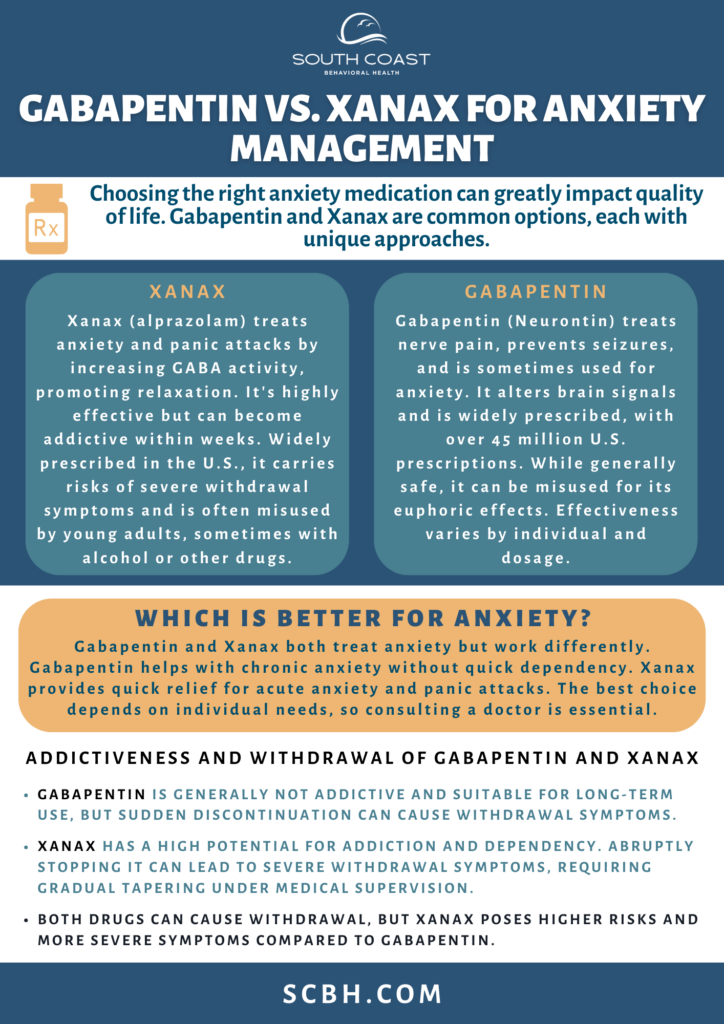
Xanax acts quickly and is effective for acute anxiety and panic attacks, but it carries a high risk of dependence, addiction, and severe withdrawal if used long-term or stopped abruptly.
Gabapentin is less habit-forming than Xanax and is often used off-label for chronic anxiety, especially when anxiety overlaps with nerve pain, sleep issues, or substance withdrawal.
Combining gabapentin and Xanax can be dangerous without medical supervision, increasing the risk of excessive sedation, respiratory depression, and overdose—especially in older adults or when mixed with alcohol or opioids.
Both medications can cause physical dependence and withdrawal symptoms, making medical guidance, gradual tapering, and careful monitoring essential for safe use.
What Is Gabapentin and How Is It Used for Nerve Pain?
Gabapentin, also known by the brand name Neurontin, is a prescription medication often used to treat nerve pain and prevent seizures. It belongs to a group of drugs called anticonvulsants or antiepileptics. Gabapentin changes the way electrical signals move in the brain, affecting how nerve cells communicate with each other by influencing gamma aminobutyric acid (GABA) and altering pain signals in the nervous system. Gabapentin has been available in its generic form since 2004.
Here are some important points about gabapentin:
Approved Uses: It’s used not just for epilepsy but also to treat seizures, neuropathic pain, restless leg syndrome, chronic pain, and sleep disorders. Gabapentin is also used for treating nerve pain from shingles and, unofficially, for anxiety. Sometimes, it is used off-label to treat symptoms of alcohol withdrawal and to help manage withdrawal symptoms such as anxiety and nerve pain.
Prescription Rates: Gabapentin is the tenth-most prescribed drug in the United States, with over 45 million prescriptions.
Potential for Misuse: Although it’s generally safe, there is a concern about gabapentin abuse, gabapentin misuse, gabapentin addiction, and gabapentin overdose, especially with opioids. These risks highlight the importance of medical supervision and the dangers of combining gabapentin with other substances, as misuse can lead to serious health consequences.
Effectiveness: Research shows that gabapentin helps reduce pain in various conditions like diabetic nerve pain and fibromyalgia. However, the effectiveness of the drug depends on the person and the dose they take. Long-term use can lead to physical dependence, and abrupt discontinuation may cause withdrawal symptoms or severe side effects, so gradual tapering under medical supervision is recommended.
While generally safe when taken as prescribed, like many medications, gabapentin can be addictive when misused.
What Is Xanax?
Xanax, also known as alprazolam, is a prescription medication from the class of medications called benzodiazepines. It is mainly used to help people with anxiety and panic attacks. Xanax is a controlled substance due to its potential for abuse and dependence. It helps calm the brain by affecting a brain chemical called GABA, which can make a person feel more relaxed, less anxious, and even sleepy. Xanax is used to treat anxiety disorders, including generalized anxiety disorder (GAD), panic disorder, and sleep disorders, as well as to treat symptoms of anxiety and related conditions. Xanax works quickly and is very effective, but if it’s taken for a long time, it can be addictive. Cognitive impairment, such as brain fog, confusion, and memory issues, can occur as a side effect.
Here are some important points about Xanax:
Addictive Potential: While Xanax is not an opioid, it rivals those drugs in terms of addiction. Xanax and other benzodiazepines can be very addictive. Prolonged use can lead to physical dependence, making a managed withdrawal process essential. People might start relying on it in just a few weeks.
Prescription Rates: It’s one of the medications doctors prescribe the most in the U.S., with millions of prescriptions given out every year.
Withdrawal Concerns: If someone stops taking Xanax suddenly after using it a lot, they could have serious withdrawal symptoms, like seizures and even respiratory depression in severe cases.
Usage Demographics: Young adults sometimes misuse Xanax, often mixing it with alcohol or other drugs to increase its effects.
While Xanax is generally safe when taken as prescribed, benzodiazepine addiction is a very real threat. Always consult your doctor and follow his directions closely when taking Xanax.
Gabapentin and Xanax: Which Is Better for Anxiety?
Gabapentin and Xanax are both medications used to treat anxiety disorders, including generalized anxiety disorder (GAD), panic disorder, and social anxiety disorder, but they work in different ways and suit different types of anxiety. Some anxiety disorders can be effectively treated with non-drug approaches, so medication is not always the only solution. Originally designed to treat epilepsy, gabapentin helps stabilize electrical activity in the brain and reduce nerve pain by affecting the way pain signals are transmitted in the nervous system. It’s increasingly used off-label for chronic anxiety and is also prescribed for chronic pain because it doesn’t cause dependency as quickly as other drugs. On the other hand, Xanax, a fast-acting benzodiazepine, assists in relaxing the mind by boosting the effect of GABA, a natural calming agent in the brain, to reduce anxiety symptoms. This makes it effective for acute anxiety and sudden panic attacks.
While combining Xanax and gabapentin may provide temporary relief of anxiety or nerve pain, this drug combination can be dangerous, especially without medical supervision. Higher doses or mixing Xanax or mixing gabapentin with other medications can increase the risk of severe side effects, including even respiratory depression or, in severe cases, overdose and life-threatening complications. Elderly guests are particularly at risk from such drug combinations due to age-related changes and increased sensitivity to medications. Each drug works differently, which is why the best choice depends on the specific needs and medical history of the individual. Consulting a doctor is crucial. Medical professionals can assess the nature of the anxiety, discuss potential side effects, and consider any personal health factors to determine the most appropriate medication.
Is Gabapentin Like Xanax?
Not really. While both drugs are prescribed to treat anxiety, they have totally different mechanisms and belong to different drug families. Gabapentin, an anticonvulsant, works by affecting certain calcium channels in the nervous system to calm nerve activity. This is different from benzodiazepines like Xanax (alprazolam), which work by enhancing the effect of the neurotransmitter GABA on GABA-A receptors, producing sedation, muscle relaxation, and anxiety relief.
Get confidential help from our addiction treatment specialists in Oklahoma City. Call to join our rehab program today!
Call 866-881-1184Are Gabapentin and Xanax Addictive?
Gabapentin is a prescription medication and is generally not considered highly addictive, but it can still be misused. Gabapentin misuse can lead to gabapentin addiction and, in some cases, gabapentin overdose, especially when taken in higher doses or combined with other substances. Both gabapentin and Xanax can cause physical dependence with long-term use, making it important to manage the withdrawal process under professional supervision.
If someone stops taking gabapentin suddenly, they might have withdrawal symptoms, which suggests it can be habit-forming, especially for those who have had issues with drug addiction before. It is also important to be aware of interactions, such as those involving gabapentin and alcohol, which can enhance sedative effects.
On the other hand, while Xanax is effective for short-term use, its potential for addiction and dependency is well-documented, posing significant risks for some guests. Support groups and recovery programs play a crucial role in helping individuals and their loved ones overcome addiction to prescription medication. As research continues to evolve, guests and healthcare providers must stay informed about the best practices for treating anxiety, considering both the benefits and the risks associated with these medications.
Can I Take a Gabapentin With Xanax?
Taking Neurontin (gabapentin) and Xanax (alprazolam) together is a drug combination that can be especially risky. Combining Xanax and gabapentin—whether mixing xanax or mixing gabapentin with other medications—should only be done under the supervision of a healthcare provider. While this combination may provide temporary relief of anxiety or nerve pain, it comes with significant risks.
Both gabapentin and Xanax have sedative effects and can depress the central nervous system. When combined, these effects can be amplified, increasing risks such as:
Excessive drowsiness
Dizziness
Impaired coordination
Difficulty breathing
Increased risk of overdose
Even respiratory depression, which can be life-threatening in severe cases, especially at higher doses or in elderly individuals
Because of these risks, doctors usually carefully monitor guests who take both, especially when starting or changing doses, and are particularly cautious with drug combinations in elderly individuals due to increased susceptibility to adverse effects.
Bottom line: Don’t combine gabapentin and Xanax without medical advice. If you’re prescribed both, follow your doctor’s instructions closely and report any unusual side effects immediately. If you’re thinking about taking them together on your own, please talk to a healthcare professional first.
Do Xanax and Gabapentin Cause Withdrawal Symptoms?
Both Xanax and Gabapentin can cause withdrawal symptoms, but their risks and the nature of their withdrawal processes are quite different. The withdrawal process can be challenging and is influenced by individual factors such as genetics and existing medical conditions. Xanax is known for its potential for addiction, even more so than other benzodiazepines. Users can develop a physical dependence on Xanax quite quickly, and abrupt discontinuation after prolonged use can be dangerous, leading to severe withdrawal symptoms such as anxiety, insomnia, seizures, and even life-threatening conditions. This makes it crucial to taper off under medical supervision.
Gabapentin, though less addictive than Xanax, also carries a risk of physical dependence and withdrawal, particularly in those who have used it at high doses or for a long period. Abrupt discontinuation of gabapentin can also be dangerous, so gradual tapering is important. Gabapentin withdrawal symptoms can include anxiety, insomnia, nausea, pain, and sweating. While these symptoms are generally less severe than those from benzodiazepine withdrawal, they still require careful management and a gradual reduction in dosage to minimize discomfort and health risks. Gabapentin may also be used to treat symptoms of withdrawal from other substances, such as anxiety and neuropathic pain, as part of a comprehensive treatment plan.
Support groups and involving a loved one can play a vital role in helping individuals overcome addiction and manage withdrawal. These support systems provide encouragement, emotional support, and community connection throughout the recovery process.
Looking for quality substance abuse treatment that’s also affordable? South Coast accepts most major insurance providers. Get a free insurance benefits check now.
Check Your CoverageSafety Precautions When Using Gabapentin or Xanax
When taking gabapentin or Xanax to manage anxiety disorders, nerve pain, or other medical conditions, it’s crucial to follow safety guidelines to protect your health and avoid serious complications. Both medications are prescription drugs that can be highly effective when used correctly, but they also carry risks—especially if misused or combined with other substances.
Follow Your Prescription Closely: Always take gabapentin or Xanax exactly as prescribed by your healthcare provider. Do not increase your dose or take these medications more frequently than directed, as this can raise your risk of side effects, dependence, or accidental overdose.
Avoid Mixing with Other Substances: Combining gabapentin or Xanax with alcohol, opioids, or other medications that depress the central nervous system can lead to extreme sedation, respiratory depression, or even life-threatening situations. Dangerous drug combinations are a serious risk, so always inform your doctor about any other substances or prescription drugs you are taking.
Monitor for Side Effects: Be alert for symptoms such as extreme drowsiness, confusion, difficulty breathing, or allergic reactions. These may indicate a serious problem and require immediate medical attention. Elderly guests and those with existing medical conditions may be at higher risk for adverse effects and should be monitored closely.
Medical Supervision is Essential: Never stop taking gabapentin or Xanax abruptly, as this can trigger severe withdrawal symptoms. If you need to discontinue or adjust your medication, work with your healthcare provider to develop a safe plan. Regular check-ins with your doctor can help manage withdrawal symptoms and ensure your treatment remains safe and effective.
Special Considerations: If you have a history of substance use disorders, prescription drug addiction, or are taking medications for other conditions, discuss this with your healthcare provider. They can help you weigh the benefits and risks, and may suggest alternative treatment options if needed.
By following these safety precautions and maintaining open communication with your healthcare professionals, you can reduce your risk of complications and get the most benefit from your treatment for anxiety symptoms, nerve pain, or other health concerns.
Treatment for Addiction and Co-Occurring Anxiety at South Coast Behavioral Health
At South Coast Behavioral Health, we provide a comprehensive approach to addiction and co-occurring anxiety treatment. Our dual diagnosis treatment covers everything from initial detox to extensive aftercare. We address the symptoms of gabapentin dependency or Xanax addiction as well as the underlying causes of anxiety. We tailor our treatment process to meet the needs of each Guest to ensure the most effective care. In doing so, we can help individuals achieve long-term sobriety and overall wellness.
Here are some of the therapies and treatments offered at SCBH:
- Detoxification: The first step is getting gabapentin and Xanax out of your system. Safe management and monitoring of withdrawal symptoms, particularly for those dependent on anxiety medications like Xanax.
- Cognitive Behavioral Therapy (CBT): A form of psychotherapy that helps guests understand the thoughts and feelings that influence behaviors.
- Group Therapy: Facilitated sessions where guests can share experiences and learn from others facing similar challenges.
- Medication Management: Careful evaluation and administration of medications to balance effectiveness with minimal side effects.
- Holistic Therapies: Mindfulness-based practices like yoga, meditation, sound healing, and massage therapy.
- Aftercare Planning: Ongoing support after treatment to prevent relapse, including therapy sessions and community-based resources.
South Coast Behavioral Health’s integrative treatment model ensures that we address every aspect of an individual’s health. In doing so, we assist them in paving the way for a successful recovery. If you’re struggling with addiction and anxiety, our dedicated team is ready to provide personalized care tailored to your specific needs, from innovative therapies to ongoing support.
Take the first step towards a calmer, more fulfilling life. Contact SCBH today to learn more about our anxiety treatment options and start your journey to recovery.
- Treatment of Generalized Anxiety Disorder with Gabapentin – PMC (nih.gov)
- Alprazolam – StatPearls – NCBI Bookshelf (nih.gov)
- DailyMed – NEURONTIN- gabapentin capsule NEURONTIN- gabapentin tablet, film coated NEURONTIN- gabapentin solution (nih.gov)
- Benzodiazepines – StatPearls – NCBI Bookshelf (nih.gov)
-
 View all posts
Content Writer
Pierce Willans is a professional writer and editor specializing in substance abuse and addiction treatment. Having written everything from informational articles to landing page copy, he now seeks to bring his years of experience to his current role at South Coast Behavioral Health. He's passionate about educating people on the dangers of drug abuse and the importance of addiction treatment, with a personal interest in how various substances affect brain chemistry. In his free time, he enjoys reading, writing, and pursuing a healthy lifestyle. Pierce continues to refine his approach to making addiction-related information accessible and available to all.