Question:
How long does cocaine stay in your system?
Answer:
Understanding how long cocaine stays in the system can help individuals make informed decisions about testing and health risks. This article explores the factors that influence cocaine’s elimination and provides a general timeline for how long it can be detected in the body.
Key Takeaways
- Cocaine is a fast-acting stimulant that produces short-lived effects but can remain detectable in the body for varying lengths of time depending on the test.
- The drug is metabolized primarily in the liver into benzoylecgonine, the main metabolite screened in drug tests.
- Detection windows vary: urine (2–4 days for occasional users; up to 2 weeks for heavy users), blood (24–48 hours), saliva (1–2 days), and hair (up to 90 days).
- Factors like frequency of use, metabolism, body fat, liver function, sex, and co-use of alcohol significantly affect how long cocaine stays in the system.
- Cocaine withdrawal can cause fatigue, depression, anxiety, and intense cravings—symptoms that may be dangerous without medical support.
- Medical detox in Orange County is recommended for individuals experiencing severe withdrawal symptoms, cravings, co-occurring substance use, mental health issues, or past relapse.
- Cocaine abuse poses serious health risks, including cardiovascular problems, neurological damage, and severe mental health symptoms.
- Treatment typically includes medical detox, behavioral therapies (especially contingency management), and peer support groups like Cocaine Anonymous.
- There are no FDA-approved medications for cocaine addiction, but supportive treatments can help manage symptoms and co-occurring disorders.
- Professional help is essential for safe withdrawal and long-term recovery.
What is Cocaine?
Cocaine is a powerful stimulant drug that comes from the leaves of the coca plant, which is primarily found in South America. It has a long history of use, both as a traditional medicine in some indigenous cultures and as a recreational drug. When consumed, cocaine affects the brain by increasing the levels of dopamine, a neurotransmitter linked to pleasure, motivation, and reward.
Cocaine powerfully stimulates the brain’s reward system, which is a key factor in its highly addictive properties. Additionally, cocaine acts on the central nervous system, causing both physiological and psychological changes such as increased heart rate, alertness, and feelings of euphoria.
Cocaine comes in three primary forms:
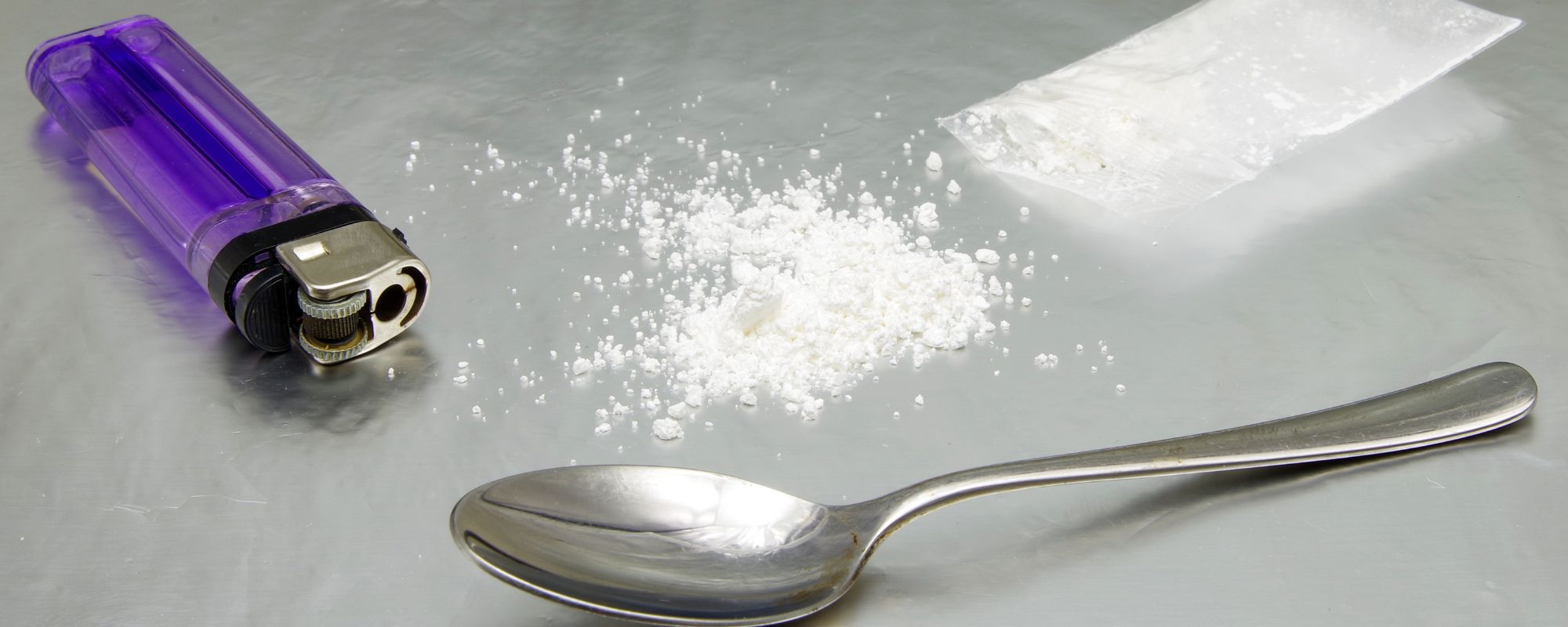
- Cocaine Hydrochloride (Powdered Cocaine): This is the most common form of cocaine and appears as a fine, white powder. It is usually snorted, but it can also be dissolved in water and injected. It is the type of cocaine most often seen in recreational use. It is typically “cut” with other substances to increase the dealer’s profit.
- Freebase Cocaine: This is a form of cocaine that has been processed to remove the hydrochloride salt. This results in a form of cocaine that can be smoked. Freebase cocaine is often associated with a more intense, immediate high, but it is also more dangerous because of the method of use (smoking).
Another form is crack cocaine, which is similar to freebase cocaine but made by mixing cocaine hydrochloride with baking soda and water, then heating it to create small, hard rocks. Crack is typically smoked and produces an intense but short-lasting high, leading to a higher potential for addiction.
Cocaine use carries significant risks, including addiction, cardiovascular issues, neurological damage, and mental health problems. It’s classified as a Schedule II controlled substance under the Controlled Substances Act, meaning it has a high potential for abuse and addiction but may be used medically under strict regulation.
How Cocaine is Metabolized?
When someone uses cocaine, the body quickly absorbs it into the bloodstream. This can happen by snorting it, injecting it, or smoking it. Cocaine rapidly enters the bloodstream, leading to immediate effects such as euphoria and increased energy.
Once it enters the bloodstream, it travels to the brain and other parts of the body, where it causes feelings of energy and euphoria.
Cocaine is then metabolized in the liver, where enzymes break it down into metabolites like benzoylecgonine, which is the primary metabolite of cocaine. Another metabolite, ecgonine methyl ester, is also produced during this liver processing.
These substances are not active, meaning they don’t make the person feel high. They are then passed out of the body in urine.
Get confidential help from our addiction treatment specialists in Orange County. Call to join our rehab program today!
Call 866-881-1184How Long Does Cocaine Stay in Your System?
Cocaine is a fast-acting and short-lasting stimulant. Generally, a cocaine high will last between five and thirty minutes. If snorted, it’s closer to thirty minutes; smoking or injecting will yield an intense but short high closer to five minutes.
Cocaine detection depends on the testing method used, and the detection time varies by specimen such as urine, blood, saliva, or hair. Drug screens are commonly used to identify cocaine and its metabolites in various biological samples, with detection windows differing based on the type of test.
The amount of time cocaine stays in your system after the high wears off depends on several factors, including how much you’ve used, how often you’ve used it, your metabolism, and the specific testing method. Usage frequency and individual metabolism are key factors influencing cocaine detection times, as they affect how quickly the body processes and eliminates the drug.
The principal cocaine metabolite utilized in drug testing is benzoylecgonine.
There are different types of tests to detect cocaine usage:
Urine testing: This is the most common method for cocaine detection. It is widely used due to its longer detection window and effectiveness for both occasional users and chronic users. Urine tests can typically detect benzoylecgonine for about 2-4 days in occasional users, but detection times may be longer for frequent or heavy drug use.
Blood testing: Detects cocaine and its metabolites for a shorter period, usually up to 24-48 hours after use.
Saliva testing: Can detect cocaine for 1-2 days after use.
Hair testing: Can identify cocaine use for up to 90 days, making it useful for detecting long-term drug use patterns.
Drug use patterns, such as occasional versus frequent use, impact how long cocaine remains detectable in the body.
How Long Does Cocaine Stay in Your System For a Urine Test?
A urine test can identify cocaine metabolites up to three days after consumption. Heavy users may test positive for up to two weeks following consumption.
One disadvantage is that people have discovered ways to cheat to obtain a false negative, which is a negative result when the result should be positive due to cocaine usage. The main way to do this is to obtain clean urine, either from a friend or by purchasing it over the internet. There are also products advertised to get you to urinate out cocaine metabolites sooner, but these usually do not work.
Urine tests are the most common form of drug test because benzoylecgonine has a urine concentration of 50 to 100 times greater than that of cocaine.
How Long Does Cocaine Stay in Your System For a Blood Test?
Blood tests are a reliable method for detecting recent cocaine use, but they have a short detection window. Cocaine is rapidly absorbed into the bloodstream, making it detectable within minutes. However, it stays detectable in the blood for less time than it does in urine: benzoylecgonine remains in the blood for one-to-two days, as opposed to the up to three days it can be found in urine. Because cocaine is quickly passed out of the blood, this type of test is not often used for drug testing. They tend to only be done if you are already in the hospital and your insurer suspects cocaine abuse.
How Long Does Cocaine Stay in Your System For a Saliva Test?
Like blood, saliva tests have a relatively short window of detection. Cocaine can be detected in the blood up to two days after use. This means a drug test using a saliva sample can detect cocaine up to 48 hours after last use. Saliva tests are less invasive than urine tests, but they are less common because they are more expensive.
How Long Does Cocaine Stay in Your System For a Hair Test?
Cocaine metabolites remain in the hair for a long time. Typically, it can be detected in your system via a hair follicle test that lasts for up to 90 days after use. This type of test is expensive and difficult to administer, so it is less common.
Looking for quality substance abuse treatment that’s also affordable? South Coast accepts most major insurance providers. Get a free insurance benefits check now.
Check Your CoverageFactors Affecting How Long Cocaine Stays in Your System
Several factors can influence how long cocaine stays in your system. Here are the key factors:
- Frequency of Use: Cocaine will generally remain in your body for a shorter time (two to four days in urine) after a one-time use. For frequent users, cocaine can remain detectable for up to a week.
- Metabolism: People with faster metabolisms will clear cocaine from their system more quickly. Things like being younger, thinner, and in overall good health will boost metabolism.
- Body Fat: Fat retains metabolites. People with higher body fat percentages will thus retain traces of cocaine longer than those with lower percentages.
- Liver Function: Since cocaine is metabolized in the liver, individuals with liver problems may clear the drug more slowly.
- Sex: Men generally process drugs more quickly than women due to differences in body composition, metabolism, and enzyme activity.
Cocaine has a short half life of about 1.5 hours, which means it is metabolized and eliminated from the body relatively quickly. All these factors work together to influence how long cocaine stays in your system.
Cocaine Withdrawal and Body Processes
Cocaine withdrawal is a challenging phase that occurs when someone stops using cocaine after a period of regular or heavy use. This process can trigger a range of physical and psychological symptoms, including fatigue, depression, anxiety, and intense cravings. These symptoms are closely tied to how the body processes and eliminates cocaine, which involves several complex mechanisms.
When taking cocaine, the drug rapidly enters the bloodstream and travels to the brain, producing its powerful stimulant effects. The liver is primarily responsible for breaking down cocaine into its main metabolite, benzoylecgonine. This metabolite is then eliminated from the body through urine and, to a lesser extent, other bodily fluids. The duration cocaine remains detectable in the system depends on several factors, including how much and how often cocaine is used, the individual’s metabolic rate, and overall health.
For chronic or heavy users, cocaine and its metabolites can accumulate in the body, leading to a longer detection window. Urine tests, which are the most commonly used method to detect cocaine use, can identify cocaine metabolites for up to two weeks in chronic users. Saliva tests offer a shorter detection window, typically up to 48 hours, while hair tests provide the longest detection window, with cocaine metabolites remaining detectable for up to 90 days. These different detection windows are important to consider, especially for those undergoing drug screening for employment or legal reasons.
Several factors influence how long cocaine stays in your system. Liver function plays a crucial role in cocaine metabolism, and individuals with impaired liver function may eliminate cocaine more slowly. Hydration, body fat percentage, and overall health also impact the body’s ability to process and eliminate cocaine. Additionally, drinking alcohol while using cocaine can create a compound called cocaethylene, which has a longer half-life than cocaine itself and can remain detectable in the body for an extended period.
Cocaine abuse is associated with serious health risks, including high blood pressure, cardiovascular problems, and the development of mental health disorders. Chronic users are particularly vulnerable to these complications, as prolonged cocaine use can disrupt the brain’s reward system and lead to lasting psychological symptoms. Early intervention is essential for those struggling with cocaine addiction, as untreated substance abuse can have severe and lasting effects on both physical and mental health.
If you or someone you know is experiencing cocaine withdrawal or struggling with cocaine addiction, seeking professional help is crucial. The Mental Health Services Administration and treatment centers like South Coast Behavioral Health offer resources and support for individuals facing substance abuse and co-occurring mental health issues. Understanding the body processes cocaine and the factors influencing cocaine metabolism can empower individuals to take the first step toward recovery and improved well-being.
When to Seek Medical Detox in Orange County
Cocaine withdrawal can be uncomfortable, overwhelming, and—depending on the severity of use—potentially dangerous without proper support. Medical detox is often the safest first step toward recovery, especially for individuals who have been using cocaine heavily or for an extended period. In Orange County, South Coast Behavioral Health provides medically supervised detox services designed to help people withdraw from cocaine safely and comfortably.
You should consider seeking medical detox if you experience:
Intense cravings that make it difficult to stop using on your own
Severe anxiety, depression, or agitation during withdrawal
Sleep disturbances, including insomnia or extreme fatigue
Inability to function daily without cocaine
Co-occurring substance use, such as alcohol or opioids
A history of relapse after trying to quit independently
Symptoms of mental health issues, including suicidal thoughts, paranoia, or psychosis
Health complications, such as heart problems, chest pain, or uncontrolled blood pressure
Medical detox provides 24/7 monitoring, emotional support, and a structured environment to ensure that withdrawal symptoms are managed safely. A supervised setting also reduces the risk of relapse and prepares you for ongoing treatment, such as residential care, outpatient therapy, or behavioral interventions like contingency management.
South Coast Behavioral Health’s Orange County detox centers offer individualized care, evidence-based treatment, and compassionate support to help you begin your recovery journey with confidence. If you or a loved one is struggling to stop using cocaine, professional detox can make a lifesaving difference.
Health Risks of Cocaine Abuse
Cocaine abuse can cause heart rate and blood pressure to rise, increasing the risk of heart attack, arrhythmia (irregular heartbeat), and stroke. Abusing it too much can easily lead to cardiac arrest, even in otherwise healthy people.
The mental health effects are also significant: anxiety, paranoia, and agitation are common cocaine side effects. It can lead to hallucinations, delusions, and violent behavior in some individuals, especially at high doses.
Over the long term, like all stimulants, chronic cocaine abuse can damage the heart. Chronic abuse can also lead to damage to the brain and nervous system, impairing cognitive function and decision-making.
Cocaine Addiction Treatment
The first step in regaining sobriety from cocaine addiction is a full cocaine detox. After that, treatment can begin.
Like addiction treatment generally, cocaine addiction treatment typically involves behavioral therapy, as well as support groups.
According to a meta-analysis on cocaine addiction treatment done by the Journal of the American Medical Association, by far, the best talk therapy for modality is contingency management. This form of therapy uses rewards to reinforce positive behaviors and abstinence from cocaine.
Support groups like Cocaine Anonymous (CA) provide peer support and accountability in the recovery process. These programs are often used in conjunction with other treatments.
There are currently no FDA-approved medications specifically for treating cocaine addiction, but research is ongoing. Some medications are used to treat symptoms or co-occurring disorders, like anxiety or depression, which can aid recovery.
If you or a loved one is struggling with cocaine addiction, it is important to seek professional help to ensure the best chance for recovery.
Get Help Today
If you are noticing signs of cocaine addiction or cocaine withdrawal symptoms, it may be time to get help. Call us at 866-881-1184 or contact us here to get started. Our highly qualified drug and alcohol addiction staff will be happy to help give you an idea of what to expect from your addiction recovery timeline, help verify your insurance, and assist with any other questions you may have.
Frequently Asked Questions
A single bump (small dose) of cocaine typically stays in your system for two to four days, depending on factors like metabolism and the type of test used.
Crack cocaine stays in your system for two to four days in urine, but for heavy users, it can be detectable for up to a week or more.
For frequent users, cocaine can stay in the system for up to a week or more, with metabolites like benzoylecgonine detectable for a longer period (two-to-four days in urine).