It therefore shouldn’t come as a surprise that the two drugs would be mixed together. It’s unknown how risky taking Xanax and weed at the same time is. In low doses, it doesn’t look to be dangerous.
However, everyone reacts differently, and the effects of substances grow more unpredictable when mixed together.
If you’ve just taken smoked weed while on Xanax, don’t worry. It’s impossible to overdose on weed, and unless you’ve taken a lot of Xanax, you should be fine there, too. However, there might be some unpleasant side effects.
In this article, we’ll go over what you need to know about combining drugs like weed and Xanax.
What Is Polysubstance Abuse?
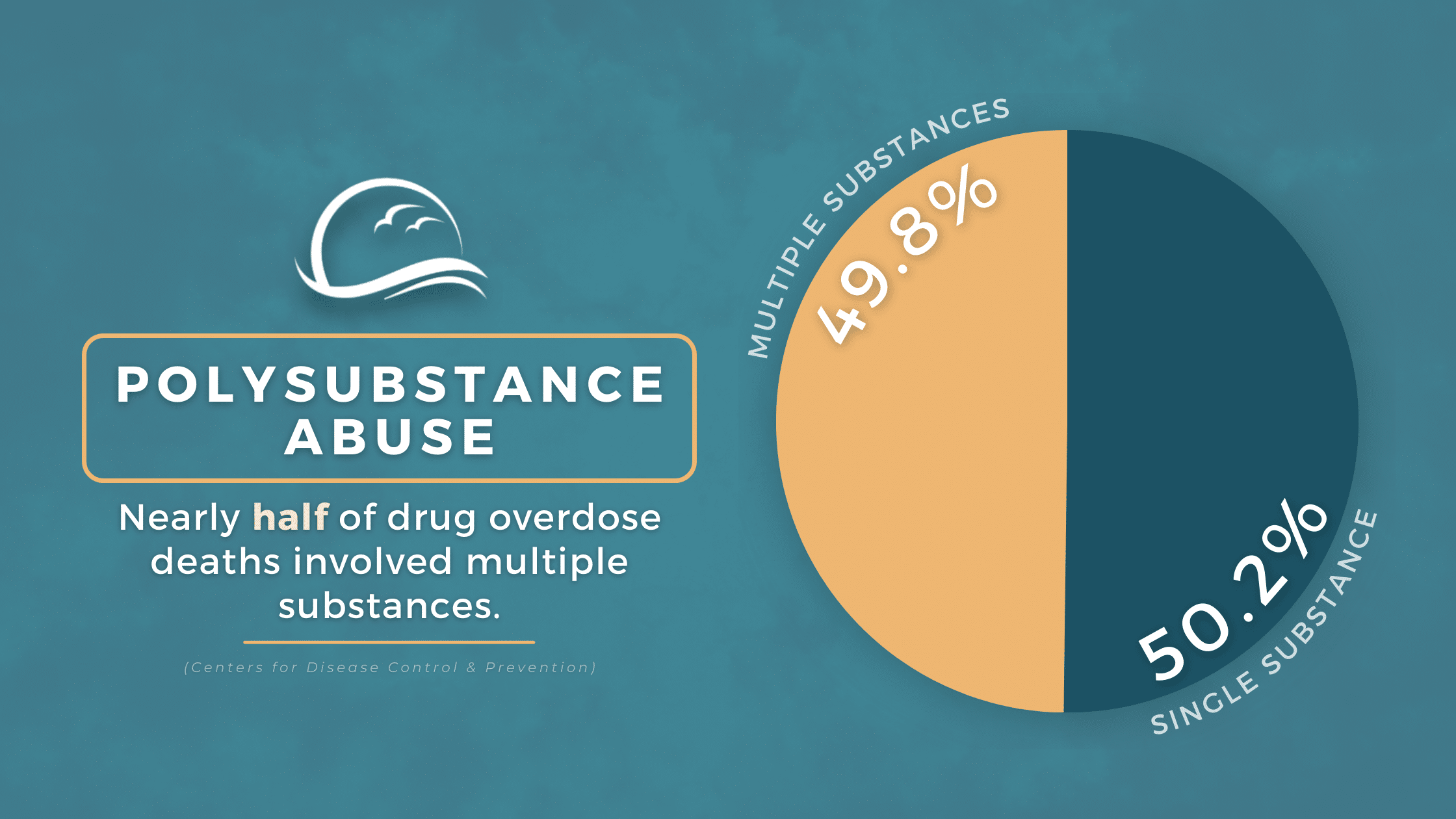
When substance use involves at least two drugs or more, this is called polysubstance abuse. This could involve the use of multiple illicit drugs, the misuse of prescription medications, alcohol, or a combination of these. Xanax and weed are one such example.
Polysubstance abuse can lead to a complex addiction with severe health risks. Because different substances can have diverse and often unpredictable effects on the body and brain, polysubstance abuse can lead to serious health problems, including an increased risk of overdose, mental health disorders, damage to vital organs, and even death.
Withdrawal from multiple substances at the same time is an especially complex issue. If you or a loved one are dealing with polysubstance abuse involving Xanax, weed, or any other substance, please seek professional treatment.
Share on Facebook
Share on Twitter
Share on LinkedIn
What Is Xanax?
Xanax is the brand name for alprazolam, a prescription medication. It belongs to a class of drugs known as benzodiazepines, which are central nervous system depressants.
Xanax is commonly used to treat anxiety and panic disorders. It works by enhancing the activity of a neurotransmitter in the brain called gamma-aminobutyric acid (GABA), which inhibits the brain’s activity and produces a calming effect.
However, Xanax can be habit-forming and can lead to dependency, especially when used over extended periods or at high doses. Xanax withdrawal symptoms can be severe if you stop taking it suddenly. For these reasons, it should only be taken under the supervision of a healthcare provider.
What Is Weed?
“Weed” is a common slang term for marijuana, a psychoactive drug derived from the Cannabis plant. It contains hundreds of different compounds, but the most well-known and studied is THC, which has psychoactive effects, and is the reason most people use marijuana.
Cannabis use can have a variety of effects, both positive and negative. It can induce feelings of relaxation and euphoria, alter perception, and increase appetite. However, it can also cause short-term memory loss, impaired motor skills, and potential psychological dependence. The long-term effects of cannabis use are still being researched.
In the United States, the use, possession, and sale of marijuana are subject to a range of different laws. Many states in the U.S. have legalized cannabis for medical use, and a growing number have also legalized it for recreational use. However, it is still classified as a Schedule I substance at the federal level, which makes it illegal under federal law.
Is Weed Dangerous?
The health effects of cannabis are a topic of ongoing research and debate. For a long time, the idea that weed could have any dangers was rejected out of hand, derided asReefer Madness hysteria. Recently, however, science has begun to indicate that weed is not unambiguously harmless after all.
There are many harmful long-term effects associated with chronic marijuana use as well. For example, regular use of marijuana can cause a permanent drop in IQ by as much as eight points. Habitual marijuana usage is linked to a variety of mental health disorders, such as schizophrenia and depression.
Is it Safe to Use Xanax and Weed?
Polysubstance abuse poses significant dangers. The effects of one substance can often exacerbate or alter the effects of the other, leading to unpredictable physical and psychological reactions.
In the case of alprazolam and marijuana, each can heighten the effects of the other when combined. This can lead to severe drowsiness, confusion, and difficulties with concentration. It can also slow reflexes and impair motor skills, increasing the risk of accidents.
Drug Addiction Treatment at South Coast Behavioral Health
If you’re using habitually Xanax and weed together, that’s a sign you may need to seek professional help.South Coast Behavioral Health offers compassionate and affordable addiction treatment for weed and Xanax abuse.
Our treatment for substance abuse takes place along an entire spectrum of care. Along that entire spectrum are various behavioral therapies, support groups, and the use of medically-assisted treatment (MAT).
Get Started Today
Struggling with Xanax misuse can worsen anxiety disorder and other health conditions, especially when mixing Xanaxwith other substances. Many people wonder if it’s safe to mix—but the truth is, when you mix Xanax and weed or combine it with alcohol or other drugs, the risks increase dramatically, leading to dangerous side effects and potential overdose.
If you or a loved one are struggling with polysubstance addiction but wonder how long addiction treatment takes or have other questions, call us at 866-881-1184 or contact us here. Our highly qualified staff will be happy to help give you an idea of what to expect from your addiction recovery timeline, verify your insurance, and assist with any other questions you may have.
Pierce Willans is a professional writer and editor specializing in substance abuse and addiction treatment. Having written everything from informational articles to landing page copy, he now seeks to bring his years of experience to his current role at South Coast Behavioral Health. He's passionate about educating people on the dangers of drug abuse and the importance of addiction treatment, with a personal interest in how various substances affect brain chemistry. In his free time, he enjoys reading, writing, and pursuing a healthy lifestyle. Pierce continues to refine his approach to making addiction-related information accessible and available to all.
At South Coast, our experts are dedicated to providing comprehensive information to help you make well-informed decisions for your health and happiness in recovery.
Contact us today if you are ready to begin your journey to recovery. Our team is available around the clock, so feel free to call us at any time.