





Reach Out Today
Recovery can't wait

Most Common Process Addictions: Non-Drug Addictions

Start Your Addiction Recovery Today

Find Out How

Common Questions About Addiction Treatment

Check Out Our FAQ

Verify Your Insurance

Looking for effective treatment that’s also affordable? We accept most major insurance providers. Get a free insurance benefits check now.

Check Your Coverage​

Questions about treatment?

Get confidential help 24/7.
Reach out for more details about:
  • How we can help

  • Our location & programs

  • Insurance & payment options

Call 866-881-1184

Question:

What are process addictions?

Answer:

There are types of addictions other than drugs or alcohol that wreak havoc in people’s lives. Some of the most common addictions in the world don’t even involve substances. They involve things like addiction to social media or sex addiction. These are known as non-substance addictions or process addictions. Process addictions refer to a category of mental health conditions characterized by compulsive behaviors that provide short-term rewards but lead to long-term harm. Most people who suffer from a process addiction never learn the term until they start seeking help. In fact, when it comes to the word “addiction,” most people tend to think of substance use disorders—that is, addiction to legal or illegal drugs. But there are also non-drug addictions. These are known as non-substance addictions, behavioral addictions, or process addictions.

A process addiction is when a person engages in a certain behavior repeatedly and can’t stop, even as it brings them personal harm. These addictions are every bit as serious as traditional substance use disorders, with possibly life-ruining—or even life-threatening—consequences from these addictive behaviors. Specific behavioral addictions, such as gambling, shopping, food, and sex, can involve a loss of control and cause significant harm, similar to substance use disorders.

In this article, we’ll go over various process addictions. The types of process addictions discussed include a diverse range of compulsive behaviors, each with unique challenges and impacts. If you or a loved one suffers from one of these addictions, reach out for help.

Key Takeaways

  • Process addictions are compulsive behaviors—like gambling, shopping, or social media use—that create short-term rewards but long-term harm.

  • They activate the brain’s dopamine reward system, reinforcing the behavior and making it hard to stop.

  • Process addictions can damage mental and physical health, finances, relationships, and overall life stability.

  • They often occur alongside substance use disorders or other mental health conditions (dual diagnosis).

  • Professional treatment, including therapy and support programs, can help break the cycle and restore balance.

Process Addictions

Process addictions entail certain behaviors that, when done in moderation, are safe or even healthy. But when these behaviors deteriorate into compulsive behaviors and obsessions, that’s when they become addictions.

Some common examples of process addictions include gambling, engaging in promiscuous sexual behavior, pornography consumption, eating disorders, internet use, exercise, and working.

The dopamine reward system is activated during process addictions, causing temporary emotional highs and reinforcing compulsive behaviors despite negative consequences.

It’s important to note here that process addictions frequently coincide with substance use disorders (SUD). For example, gambling disorder raises the risk of alcohol use disorder by up to four times. The coincidence of two disorders is known as a dual diagnosis.

These behaviors are reinforced by the brain’s reward system, which releases dopamine and strengthens the habit loop, making it difficult to stop even when facing negative outcomes.

Process addictions damage a person’s physical and mental well-being, sabotage relationships, and may result in legal or financial issues. Without treatment, possible consequences range from job loss to loss of homes, divorce and broken families, and even suicide.

Various risk factors, such as genetics, environment, and psychological conditions, can increase the likelihood of developing a process addiction.

Process Addiction vs. Substance Addiction

Despite their differences, both types of addiction share many of the same core characteristics: loss of control, cravings, emotional distress when abstaining, and damage to health, relationships, or daily functioning. Process addictions may be harder to spot, especially because many of these behaviors (like eating or exercising) are socially acceptable or even encouraged. However, when a behavior begins to dominate a person’s life and cause harm, it may signal an addiction that needs treatment.

Clinicians use diagnostic criteria, often from the DSM-5, to identify process addictions, but the lack of clear guidelines for some behaviors can make diagnosis challenging. Process addictions are increasingly recognized as a type of mental health condition, requiring specialized assessment and care. There is significant overlap between process addictions and other forms of mental illness, which can complicate accurate diagnosis. The classification of process addictions as psychiatric disorders in the DSM-5 remains a topic of debate and ongoing research. Unlike substance addictions, process addictions do not typically produce physical withdrawal symptoms, making them harder to detect. Substance addictions involve physical dependence, where stopping use leads to physical withdrawal symptoms, while process addictions do not. The absence of obvious physical signs in process addictions further complicates detection compared to substance-related disorders. Behavioral addictions differ from substance dependence, as they do not involve the biological reliance on a substance but can still have a profound impact on a person’s life.

Whether the issue is substance-related or behavioral, professional help can provide the tools needed to break the cycle and build a healthier, more balanced life.

shopping addiction

Shopping Addiction

Known in the medical field as oniomania, shopping addiction is a very common process addiction and perhaps the most socially acceptable. One famous example of someone with a shopping addiction is Buzz Bissinger, a sports journalist and author of the book Friday Night Lights.

Shopping addiction is classified as one of the impulse control disorders, as it involves difficulty suppressing urges to engage in problematic shopping behaviors.

A shopping addict has intrusive thoughts about shopping at all times of day and, when shopping, does not know how to stop the specific behavior. The reason it’s difficult for a shopping addict to stop buying things is that, just like in other addictions, they experience a euphoric rush while engaged in the activity.

Signs someone is addicted to shopping can include:

  • Financial problems like debt

  • Opening new lines of credit to finance shopping purchasesAlways thinking or talking about purchasing something

  • Shopping when stressed or sad

  • Lying about their shopping activity (e.g., hiding purchases)

By eliminating the need to even leave one’s house, the internet has made shopping addictions easier than ever before to form. Some sources have found that 64% of people have engaged in impulsive or compulsive buying online recently. One study found that up to 6% of Americans have an online shopping addiction, with young females at increased risk for the disorder.

By eliminating the need to even leave one’s house, the internet has made shopping addictions easier than ever before to form. Some sources have found that 64% of people have engaged in impulsive or compulsive buying online recently. One study found that up to 6% of Americans have an online shopping addiction, with young females at increased risk for the disorder.

How to Stop Shopping Addiction

To stop or treat a shopping addiction, it’s important to first recognize that you have a problem and seek professional help. This can include therapy, counseling, and support groups such as Spenders Anonymous. Individualized treatment plans are essential to address each person’s unique needs and circumstances. Specialized process addiction treatment centers offer targeted assessment and comprehensive support, using holistic and personalized approaches to help individuals recover. Cognitive-behavioral therapy (CBT) can be particularly effective in addressing the underlying thoughts and behaviors that contribute to the addiction. Medications may also be prescribed to help manage symptoms such as anxiety or depression.

In addition, it can be helpful to set spending limits, create a budget, and avoid triggers such as shopping malls or online stores. Family therapy sessions play a crucial role in recovery by involving loved ones, providing education about the disorder, and fostering mutual support during the early stages of treatment. Finding healthy ways to cope with stress and emotional issues can also be beneficial in preventing relapse.

eating addiction

Food Addiction

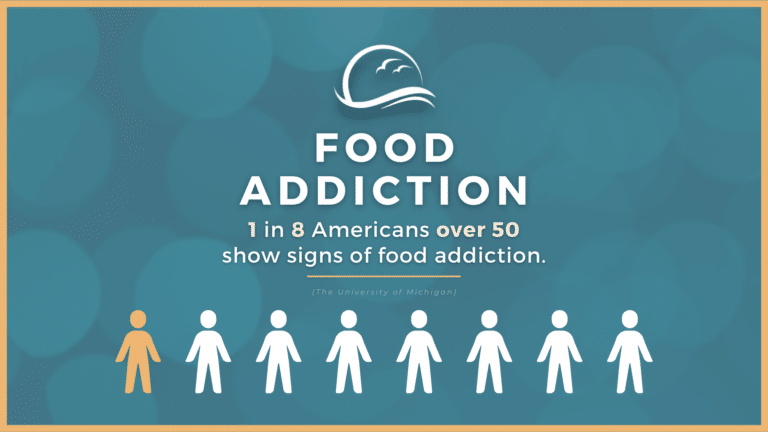
Food addiction (FA) is a process addiction that entails repeatedly engaging in compulsive eating behaviors, consuming way beyond your body’s energy requirements. People with this addiction commonly over-indulge in foods high in salt, sugar, or fat – ingredients that are all necessary for our bodies (hence the pleasure we derive from their consumption), but which are unhealthy in too-high amounts.

For some individuals, turning to food serves as a coping mechanism to manage stress, emotional pain, or other difficult feelings. Childhood trauma is also recognized as a significant underlying risk factor that can contribute to the development of food addiction and other process addictions.

Some ways to tell someone is addicted to food include if they hide how much they eat from others and are unable to stop despite physical problems.

Addiction to food has been linked to several substance use disorders, particularly alcohol use disorder (AUD). One study of over 130,000 people found that up to 6% of women may suffer from food addiction. In studies of those with obesity, rates of food addiction range from 7% to 15%.

Process Addiction
Share on Facebook
Share on Twitter
Share on LinkedIn

How to Stop a Food Addiction

Treating a food addiction typically involves a combination of therapy and lifestyle changes. Lifestyle changes include making changes to one’s diet and exercise routine. Consider working with a nutritionist or dietitian to develop a healthy meal plan, as well as increasing physical activity to improve overall health and well-being. It’s also important to identify triggers that cause cravings and to develop strategies to manage them. Treatment for process addictions often requires professional intervention to address the behavioral patterns and underlying causes. Therapy aims to help individuals develop healthier coping mechanisms to replace maladaptive behaviors and manage impulses more effectively.

Cognitive-behavioral therapy (CBT) can help individuals identify and change negative thought patterns and behaviors related to their addiction. In addition, there are also groups such as Food Addicts Anonymous (FAA), Overeaters Anonymous (OA), and Food Addicts in Recovery Anonymous (FA) that provide crucial moral support to those recovering from food addiction. Building healthy coping skills is essential for long-term recovery and helps individuals foster resilience and maintain positive lifestyle changes.

gambling addiction

Gambling Addiction

Much like a substance use disorder, gambling stimulates the reward centers of your brain when you win. Hopes for a repeat of that “high” can lead to compulsive gambling, also known as a gambling addiction or, in severe cases, pathological gambling. People with gambling addictions find it nearly impossible to stop gambling, even if it damages their finances and relationships.

Signs of gambling addiction can include:

  • Obsession with gambling

  • Putting crucial relationships, a job, or prospects for study or work at risk due to gambling

  • Asking others for loans or financial help due to debts incurred from gambling

  • Trying to hide the extent of one’s gambling from friends or family members

Studies indicate nearly one out of three persons with a gambling addiction also suffer from co-occurring disorders such as alcohol addiction.

Studies indicate nearly one out of three persons with a gambling addiction also suffer from AUD.

How to Stop a Gambling Addiction

To stop or treat gambling addiction, several approaches may be taken.

One effective approach is therapy or counseling. This may include individual therapy, group therapy, or support groups. Behavioral therapies can help individuals understand the underlying causes of their addiction and develop coping mechanisms to deal with triggers and cravings. Treating behavioral addictions requires professional support and a comprehensive approach that addresses both the behavior and its psychological roots.

Another approach is medication. Antidepressant medications, such as selective serotonin reuptake inhibitors (SSRIs), are effective in treating gambling addiction. These medications work by altering the levels of certain chemicals in the brain that are involved in impulse control. Substance abuse treatment for gambling addiction often mirrors the structured environments and step-down levels of care used for substance use disorders, ensuring that individuals receive the appropriate intensity of support.

Finally, there are support groups like Gamblers Anonymous (GA) and resources like the Gambling Addiction Hotline. Evidence-based resources, such as those provided by the mental health services administration, support the use of therapies like Dialectical Behavior Therapy (DBT) for emotional regulation and relapse prevention in behavioral addictions.

gaming disorder

Internet Addiction

Internet addiction is characterized by an inability to control one’s usage of the internet. This can lead to negative consequences in their personal, social, and professional life.

Internet addiction is a fast-growing process addiction that actually has two sub-disorders contained within it: social media addiction and gaming addiction, often referred to as video game addiction. Video game addiction is recognized as a significant mental health concern, with symptoms that can disrupt daily life and overall well-being.

Another form of process addiction is work addiction, which involves compulsive work behaviors that go beyond normal dedication and can result in burnout and strained relationships.

Treatment options for both these disorders include CBT and family therapy. Medications may also be prescribed to help manage co-occurring conditions such as depression or anxiety. In some cases, a residential treatment program or inpatient rehab may be necessary.

How to Stop Internet Addiction

Stopping internet addiction usually requires a combination of professional support, lifestyle changes, and structured limits around technology use. Therapy is often the most effective first step, especially cognitive-behavioral therapy (CBT), which helps individuals recognize unhealthy patterns and develop healthier habits. Family therapy may also be helpful, particularly for adolescents and young adults.

Setting clear boundaries around internet use is another important step. This may include limiting screen time, using website blockers, creating device-free zones, or scheduling regular breaks from technology. Replacing excessive internet use with healthy activities—such as exercise, hobbies, or social interaction—can also help restore balance.

If internet addiction is linked to anxiety, depression, or other mental health concerns, medication may be prescribed as part of a comprehensive treatment plan. In more severe cases, a structured outpatient or residential treatment program may be recommended.

Social Media Addiction

Social media addiction is an unhealthy relationship with social media and technological communication devices that results in excessive internet use, negative effects on mental health, and interpersonal problems. Young people are especially vulnerable to this process addiction with compulsive scrolling of social media sites like Facebook, Instagram, TikTok, and others the result.

Signs someone is addicted to social media may include:

  • Difficulty relating to people in real-life settings
  • Low attention span
  • Irritation whenever social media usage is interrupted
  • Negative effects from social media usage, such as lower grades

As with other addictions, the major reason why social media is addictive is that the constant stream of novel information and imagery triggers the release of dopamine in the brain. Studies indicate that up to 70% of teens and young adults have a social media addiction.

How to Stop Social Media Addiction

Overcoming social media addiction starts with recognizing how it affects your mood, relationships, and daily responsibilities. Therapy, especially CBT, can help identify the emotional triggers behind compulsive social media use and teach healthier coping skills.

Practical steps can also make a big difference. These may include:

  • Setting daily time limits on social media apps

  • Turning off non-essential notifications

  • Scheduling specific times to check social media

  • Removing apps from your phone temporarily

  • Creating tech-free periods during the day

Building real-life connections and engaging in offline activities—such as exercise, hobbies, or spending time with friends and family—can help reduce reliance on social media for emotional fulfillment. Support groups or digital detox programs may also be beneficial for some individuals.

Internet Gaming Disorder/Gaming Addiction

Gaming addiction, or, internet gaming disorder (IGD) is an inability to control or moderate gaming activities or activities related to gaming; this can lead to negative implications in every aspect of a person’s life.

Some common symptoms of IGD include:

  • Spending excessive amounts of time playing video games
  • Prioritizing gaming over other activities and responsibilities
  • Losing interest in hobbies and social activities
  • Continuing to play despite negative consequences, such as poor grades or relationship problems
  • Experiencing withdrawal symptoms when not playing
  • Lying about how much time is spent playing

The World Health Organization considers IGD an addictive disease. Some estimate that between 3-4% of gamers worldwide suffer from it – potentially up to 60 million people.

How to Stop a Gaming Addiction

Treatment for gaming addiction typically involves therapy, behavioral changes, and structured daily routines. Cognitive-behavioral therapy (CBT) is commonly used to help individuals understand the emotional and psychological factors driving their gaming habits.

Setting limits around gaming is a key part of recovery. This may involve:

  • Creating a daily schedule with fixed gaming times

  • Removing gaming devices from bedrooms

  • Using parental controls or screen-time tools

  • Replacing gaming time with healthier activities

Reconnecting with hobbies, social activities, education, or career goals can help restore a sense of purpose outside of gaming. For younger individuals, family therapy is often recommended to improve communication and establish healthy boundaries.

In more severe cases, outpatient or residential treatment programs may provide the structured environment needed for recovery.

sex addiction

Sex and Love Addiction (SLA)

Sex and Love Addiction (SLA) is a behavioral disorder characterized by a compulsive need for sexual or romantic experiences, including compulsive sexual behavior, despite negative consequences. Compulsive sexual behavior, sometimes referred to as hypersexual disorder or sex addiction, involves persistent engagement in sexual activities such as compulsive masturbation, pornography use, cybersex, and other sexual activities, even when these behaviors lead to significant problems. SLA is often accompanied by other forms of addiction, such as substance use disorders.

It is estimated that between 3-6% of the population may have SLA. Approximately 3-6% of Americans suffer from this process addiction. Studies have found that up to 50% of individuals seeking treatment for substance abuse also have a co-occurring sexual addiction

Treatment for sex and love addiction typically involves a combination of therapy and support groups. Cognitive-behavioral therapy (CBT) can help individuals identify and change negative patterns of behavior and thought related to their addiction.

Group therapy and 12-step programs, such as Sex Addicts Anonymous (SAA) or Sex and Love Addicts Anonymous (SLAA), can provide additional support and accountability.

Antidepressants may also be prescribed to address underlying mental health conditions.

How to Stop Sex and Love Addiction

Recovery from sex and love addiction typically involves a combination of therapy, support groups, and lifestyle changes. Individual therapy—especially CBT or trauma-informed therapy—can help individuals identify unhealthy relationship patterns and develop healthier emotional coping strategies.

Support groups such as Sex Addicts Anonymous (SAA) or Sex and Love Addicts Anonymous (SLAA) provide accountability, structure, and peer support. These programs often follow a 12-step model that encourages personal responsibility and long-term recovery.

Developing healthy boundaries in relationships is also an important part of treatment. This may include avoiding triggering environments, limiting certain behaviors, and focusing on personal growth rather than romantic or sexual validation.

If underlying mental health conditions such as depression or anxiety are present, medication and integrated treatment may be recommended.

Porn Addiction

Porn addiction, also known as pornography addiction or compulsive pornography use, is a subset of SLA that entails the compulsive consumption of pornography to the detriment of one’s physical, mental, and social well-being.

Symptoms of porn addiction can include excessive time spent viewing pornography, difficulty in stopping or reducing use, and neglecting important responsibilities and relationships due to use. It can also lead to feelings of shame, guilt, and low self-esteem.

Some people may also experience physical symptoms such as erectile dysfunction and decreased sexual function. If left untreated, porn addiction can have a significant impact on an individual’s personal and professional life and can lead to other mental health issues such as depression and anxiety.

How to Stop a Porn Addiction

Stopping porn addiction often requires professional support, practical boundaries, and healthier coping strategies. Therapy—particularly CBT—can help individuals understand the triggers behind compulsive pornography use and learn how to manage urges more effectively.

Some helpful strategies include:

  • Installing website blockers or accountability software

  • Limiting private, unsupervised screen time

  • Removing access to triggering material

  • Establishing structured daily routines

  • Replacing porn use with healthier activities

Support groups such as Sex Addicts Anonymous (SAA) or online recovery communities can provide accountability and encouragement. Addressing underlying issues such as loneliness, stress, or trauma is also an important part of long-term recovery.

In cases where porn addiction is linked to depression, anxiety, or other mental health concerns, medication and integrated treatment may be recommended.

Help For Process Addiction

If you or a loved one is currently struggling with a process addiction, know that you don’t have to face it alone. Treatment for process addiction requires an ongoing commitment to your well-being, with sessions varying from once a month to several times a week depending on individual needs.

If you are looking for help with your process addiction, call us at 866-881-1184. Our highly qualified staff are available 24/7 to answer your questions. All calls are free and confidential.

If you or someone you know is experiencing thoughts of suicide, help is available 24/7 by calling the Suicide and Crisis Lifeline at 988. Learn more at Suicide & Crisis Lifeline.

Alex A.
Alex A.
SCBH Alumni
South Coast has really help me over come my addiction as well as gave me some of the best tools that I can use for my mental health and better my life, yes it may be hard at the beginning but if I can do it you can. The most impactful person I have met here has to Micheal, he’s the most real straight forward person that you will ever meet. If you want to get clean reach out and the staff will be more than happy to help you get started
Steve M.
Steve M.
SCBH Alumni
I've been spending a lot of time at South coast behavioral health. I'm Steve massano and I just want to tell everybody there, especially Jeremiah. And Jordan that I thank them very much. They've helped me out tremendously and a heck of a lot more. I am here for my alcoholism. A mental health problems. I'm having and I just wanna really tell them. Thank you so much. And the whole staff at South coast. What a class ac
Jennifer F.
Jennifer F.
SCBH Alumni
I am so glad that I was directed to go to South Coast for treatment of my addictions! Everyone is so nice and made me feel so welcomed. I learned a lot about myself and how to stay in recovery with a focus on myself as well as service to others! There are so many staff members to list that I am afraid I will miss someone! Thank you SCBH! I will recommend you to anyone else suffering with addition, trauma, and grief!
Valeree K.
Valeree K.
SCBH Alumni
Great place to come and share life's experiences. The staff was very kind and understanding to my needs. At first I didn't want to come, let alone be here, but I'm glad I did. My therapist Sandy is the best! I highly recommend her and the programs Southcoast has to offer.
Daniel R.
Daniel R.
SCBH Alumni
I enjoyed my time here at Southcoast, the staff and facilitators were excellent and I learned a lot here at this program. The staff here care about their patients and they show love. Shoutout case manager Richard. Lucy, Erin, Rae, Tierney, John, Nick, Dulce, Des, Bryce, thank y’all for helping me improve my life.
Cole M
Cole M
SCBH Alumni
This treatment center help save my life. The staff was wonderful and helpful and really helped me understand my addiction and the roots from what triggered it and I would recommend it to anyone who is looking for help. Kayla Fox my therapist was amazing and my case manager Richard Peters was amazing he went above and beyond for me.
Sam P.
Sam P.
SCBH Alumni
My experience at south coast has been nothing short of a miracle in my life. I came yearning for change and I received everything I needed to change me into the best version of myself I can be. I poured everything that is within me into the program and I got back everything and then some. The entire staff showed me what true compassion and friendship can be. I will forever be grateful to south coast for my transformation. I love them all!
Cynthia C.
Cynthia C.
SCBH Alumni
This talented group of therapists, nurses and entire staff made me feel so cared for and genuinely loved. From the techs...Andrew, Tony, Shay, Lisa, Jeremy and LaJon to the chef Josh. Nurses Brooke, Elisha, Ashley and Andrea. Case worker Charity, director Ciara, Tissa, Erin and Dallas. I know I've left some out but I owe my life to each and every one of these wonderful people. Begin your journey to regain your life take the first step and call South Coast you won't be sorry.
Lacey W.
Lacey W.
SCBH Alumni
SouthCoast Behavioral Health in Oklahoma City has incredible staff who are passionate about helping those who are struggling with substance use disorder! I would recommend this amazing program to anyone who is struggling! Grateful for the support!
John S.
John S.
SCBH Alumni
My experience with South Coast was exceptional. The facilitator staff, Hayden, Bethany and Yuri were shining stars and exemplary examples of what is possible in this field. My case manager Emily was fantastic. My therapist Joe was very easy to trust and gave me too level care. Tyranny, Vinnie and Joe were fantastic as well. Amazing job by all!
J.J.
J.J.
SCBH Alumni
My experience at South Coast was amazing! The staff really cares about you & they do all they can to help you to succeed. compassionate and supportive environment, and it’s wonderful to know you felt that way.
J.J.
J.J.
SCBH Alumni
My experience at South Coast was amazing! The staff really cares about you & they do all they can to help you to succeed. compassionate and supportive environment, and it’s wonderful to know you felt that way.
Cassie D.
Cassie D.
SCBH Alumni
Case worker is absolutely amazing she helped me so much couldn't have asked for a better person for me therapist too Mr Joey I appreciate everything Emily has done for me she went above and beyond for me once again absolutely amazing

  • Alexandra Kraska

    Content Writer

    Allie Kraska serves as the Organic SEO Growth Manager for Aliya Health Group’s nationwide treatment network, including South Coast Behavioral Health. She develops and implements content strategies, monitors and analyzes SEO performance, identifies areas for improvement, and optimizes marketing team efforts to increase visibility and sustain growth. When writing for Aliya Health Group, Allie aims to provide actionable recovery advice from an educated, experienced perspective. She earned her BA in English Language and Literature with a minor in Painting, Drawing, and Print-Making from the University of North Florida.

    View all posts
  • Maria Campos, author

    Clinical Reviewer

    Maria Campos, LMFT, is a Licensed Marriage and Family Therapist with a specialization in treating co-occurring substance use and mental health disorders. She received her Bachelor of Science in Management (BSM) in 2010 and her Master of Science in Counseling/Marriage, Family, and Child Therapy (MSC/MFCT) in 2013 from the University of Phoenix. As Clinical Director for South Coast in California, Maria leads the clinical team and provides patient care. With her expertise in behavioral health, she also reviews and updates website content for accuracy and relevance.

    View all posts
Read More About addiction Treatment & Recovery
Start Your Recovery Today at South Coast

At South Coast, our experts are dedicated to providing comprehensive information to help you make well-informed decisions for your health and happiness in recovery.

Contact us today if you are ready to begin your journey to recovery. Our team is available around the clock, so feel free to call us at any time.