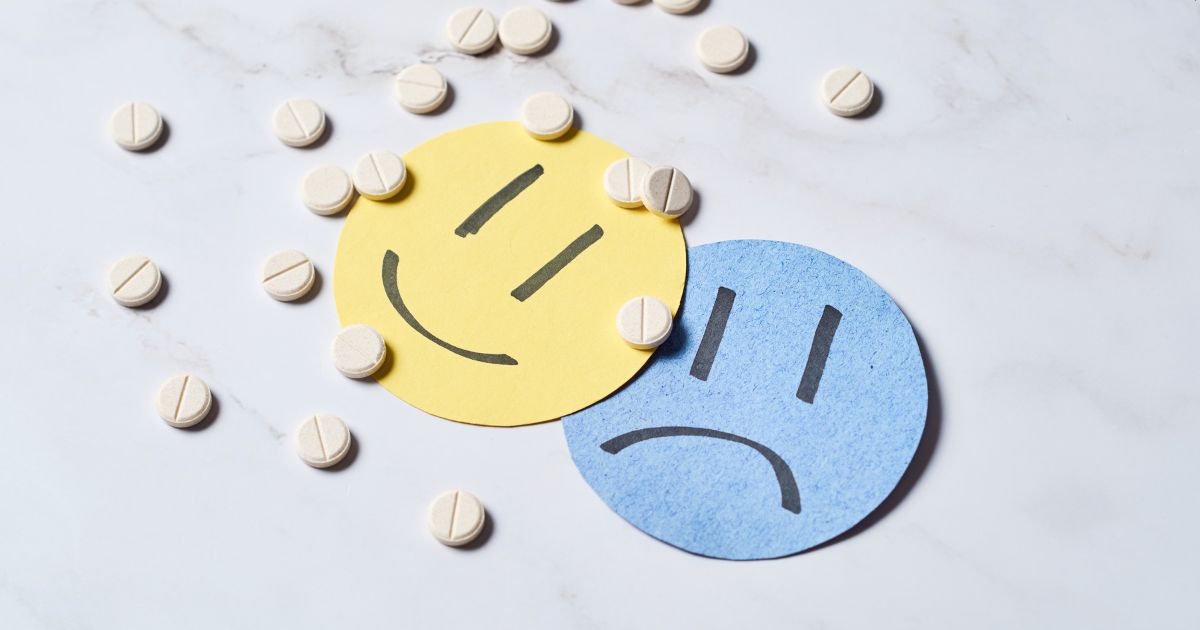
Key Takeaways:
Mixing Xanax and cocaine is extremely dangerous, causing conflicting effects that strain the heart, brain, and central nervous system.
Using both substances together increases the risk of overdose, severe mental health complications, and rapid development of polysubstance addiction.
Withdrawal from Xanax and cocaine can be life-threatening without medical supervision, especially due to potential benzodiazepine-related seizures.
South Coast Behavioral Health provides detox, residential care, outpatient programs, and dual diagnosis treatment for individuals struggling with Xanax, cocaine, or co-occurring disorders.
Question:
Is it safe to take Xanax and cocaine?
Answer:
Mixing Xanax and cocaine is a highly dangerous form of polysubstance use that places enormous stress on the body and significantly increases the risk of overdose. Cocaine is a stimulant that speeds up the central nervous system, while Xanax is a depressant that slows it down. When taken together, their opposing effects mask intoxication, leading many people to take more of one or both substances without realizing the danger. This combination can cause rapid heart rate changes, confusion, extreme mood swings, blackouts, seizures, respiratory failure, or sudden cardiac arrest. Long-term use can contribute to severe anxiety, depression, organ damage, and the rapid progression of addiction to both substances. Withdrawal from these drugs—especially Xanax—can be life-threatening without medical care, making supervised detox essential. South Coast Behavioral Health offers comprehensive treatment for individuals struggling with Xanax and cocaine misuse, including medical detox, residential treatment, outpatient programs, and dual diagnosis care. With evidence-based therapies and compassionate support, SCBH helps clients stabilize, address co-occurring mental health issues, and build the skills needed for long-term recovery.
Introduction to Substance Abuse
Substance abuse is a widespread and complex challenge that affects not only individuals but also families and entire communities. Whether it involves Xanax addiction, cocaine addiction, or the misuse of other substances, the consequences can be severe and far-reaching. People struggling with substance use disorder often face a range of withdrawal symptoms, as well as significant physical and mental health issues, including the risk of overdose and long-term damage to their well-being.
Effective addiction treatment for Xanax and cocaine addiction requires a comprehensive approach. This often includes medically assisted detox to safely manage withdrawal symptoms, ongoing therapy sessions to address the root causes of substance use, and participation in support groups to build a strong foundation for long-term sobriety. Healthcare providers play a vital role in guiding individuals through the recovery journey, offering expert care and support at every stage. Additionally, contingency management—a strategy that rewards positive behaviors—can be a powerful tool in helping individuals maintain their commitment to recovery and achieve lasting change. By understanding the risks and seeking professional help, individuals can take the first step toward overcoming substance use and reclaiming their lives.
Why People Mix Xanax and Cocaine
People commonly combine Xanax (a benzodiazepine) and cocaine (a stimulant) for several reasons related to drug abuse. Drug abuse involving Xanax and cocaine is driven by several factors, including attempts to manage comedowns, enhance highs, and self-medicate.
To reduce the comedown from cocaine
Cocaine causes an intense but short-lived high, followed by anxiety, irritability, and fatigue. Some use Xanax to soften these effects.To enhance or prolong the high
Some individuals take Xanax after cocaine to keep using longer without feeling overstimulated.To self-medicate anxiety or sleep issues caused by cocaine
Because cocaine increases heart rate and nervous system activation, users sometimes misuse Xanax to sleep or “recover.”
These patterns are extremely dangerous and often lead to cycles of dependence on both drugs. Some people can even try to buy Xanax online without a prescription. This adds to the danger as unregulated pharmaceuticals can contain any number of substances when made in illegal labs.
Why Combining Xanax and Cocaine Is So Dangerous
1. Conflicting Effects Overwhelm the Body
Cocaine stimulates the central nervous system, increasing heart rate, energy, and alertness. Xanax slows the CNS, causing sedation. Both substances alter the activity of nerve cells, disrupting normal brain function and increasing health risks.
The body becomes confused—forced into a tug-of-war that strains the heart, lungs, and brain.
2. Higher Risk of Overdose
Because the drugs mask each other’s effects, people may take more than intended. This drastically increases the risk of:
Respiratory depression
Heart attack
Stroke
Seizures
Coma
Fatal overdose
Many speedball overdoses occur because users don’t realize how much they’ve actually taken.
3. Increased Risk of Mental Health Crises
The combination worsens anxiety, depression, irritability, paranoia, and suicidal thoughts—especially during withdrawal. Individuals with pre-existing mental disorders are particularly vulnerable to severe psychological effects when mixing Xanax and cocaine.
4. Faster Progression to Polysubstance Addiction
Using two drugs together changes the brain’s reward pathways more rapidly, increasing tolerance, cravings, and dependence. An individual’s personal history—including genetics, previous substance use, and environmental factors—can also influence how quickly addiction develops.
Understanding Benzodiazepine Addiction
Benzodiazepine addiction, including Xanax addiction, is a serious form of substance use disorder that develops when the body becomes physically dependent on these medications. Xanax works by enhancing the calming effects of gamma-aminobutyric acid (GABA) in the brain, which can help treat anxiety and panic disorders. However, prolonged or high-dose use of Xanax increases the risk of developing physical dependence and experiencing withdrawal symptoms when trying to stop. Those who abuse Xanax are putting themselves at risk.
Treating Xanax addiction requires a careful, medically supervised approach. Healthcare professionals often recommend gradually tapering Xanax prescriptions to minimize withdrawal symptoms and reduce the risk of complications. Medically assisted detox provides a safe environment for individuals to begin their recovery, with medical staff monitoring and managing any physical or mental health conditions that may arise. Therapy sessions are also essential, helping individuals address the underlying causes of their substance use and develop healthier coping strategies. Because benzodiazepine addiction can be particularly challenging to overcome, a comprehensive treatment plan that addresses both the physical and psychological aspects of addiction is crucial for long-term recovery.
Cocaine Addiction and Its Effects
Cocaine addiction is a dangerous substance use disorder that can have devastating effects on both physical and mental health. Regular cocaine use can lead to increased heart rate, high blood pressure, and risky behaviors that put individuals at greater risk for accidents and medical emergencies. In addition to these physical dangers, cocaine addiction is closely linked to mental health issues such as anxiety disorder, panic disorder, and other mental health problems.
Effective cocaine addiction treatment typically involves a combination of evidence-based therapies. Cognitive behavioral therapy (CBT) helps individuals recognize and change patterns of drug use, while contingency management provides incentives for maintaining sobriety. Support groups offer a sense of community and ongoing encouragement, which are vital for long term sobriety. Healthcare providers play a critical role in diagnosing and treating cocaine use disorder, offering early intervention and ongoing support to prevent long-term damage. By seeking help in the early stages of addiction, individuals can reduce the risk of serious health complications and begin the journey toward recovery.
Short-Term Effects of Mixing Xanax and Cocaine
Rapid changes in blood pressure and heart rate
Confusion and impaired coordination
Extreme mood swings
Memory loss or blackouts
Aggression or agitation
Panic attacks
Chest pain
Loss of consciousness
These symptoms can begin within minutes and worsen quickly. Some of these effects can persist for a few days even after stopping Xanax use, depending on the individual’s usage patterns.
Long-Term Effects of Xanax and Cocaine Use
Chronic use can lead to:
Severe anxiety and depression
Increased risk of heart disease
Cognitive impairment
Organ damage (heart, liver, kidneys)
Benzodiazepine and stimulant use disorders
Social, financial, and legal problems
Long-term polysubstance use often requires structured treatment to address both dependence and underlying mental health issues. Building a strong support system—including family, friends, and counselors—is essential for emotional support and long-term recovery.
Get confidential help from our addiction treatment specialists in Orange County. Call to join our rehab program today!
Call 866-881-1184Withdrawal Risks When Using Both Drugs
Stopping both Xanax and cocaine without medical support can be extremely dangerous.
Cocaine withdrawal may cause:
Fatigue
Depression
Sleep disturbance
Strong cravings
Suicidal thoughts
Xanax withdrawal may cause:
Severe anxiety
Tremors
Seizures
Delirium
Life-threatening complications
Because benzo withdrawal can be fatal, medical detox is highly recommended. Withdrawal should always be supervised by medical professionals to ensure safety and manage complications.
Role of Healthcare Providers
Healthcare providers are at the forefront of treating substance use disorder, including both Xanax addiction and cocaine addiction. Their expertise is essential in every stage of the treatment process, from initial assessment and medical attention to ongoing therapy and relapse prevention. Providers can prescribe medication assisted treatment to help manage withdrawal symptoms and reduce cravings, making the detox process safer and more comfortable.
In addition to medical care, healthcare professionals guide patients through therapy sessions and connect them with support groups, ensuring a well-rounded approach to recovery. They also teach coping strategies, such as motivational interviewing, to help individuals manage stress and avoid relapse. By educating patients and their loved ones about the risks of substance use and the importance of a healthy lifestyle, healthcare providers empower individuals to make informed decisions and work toward long term recovery. Their support is crucial in helping patients build a strong foundation for lasting change.
Looking for quality substance abuse treatment that’s also affordable? South Coast accepts most major insurance providers. Get a free insurance benefits check now.
Check Your CoverageTreatment Options at South Coast Behavioral Health
SCBH provides comprehensive, trauma-informed care for individuals struggling with Xanax, cocaine, or polysubstance addiction. As part of our treatment program, we offer both inpatient care and outpatient care to ensure a full continuum of support. Our xanax addiction treatment includes individual therapy sessions tailored to each client’s needs, providing personalized strategies for recovery. Our levels of care include:
Medical Detox
Supervised detox helps stabilize the body while safely managing withdrawal symptoms—especially crucial for Xanax dependence. Detox protocols are adjusted based on each client’s medical conditions to ensure safety and comfort.
Residential Treatment
Clients receive 24/7 support with therapies including:
Cognitive Behavioral Therapy (CBT)
Dialectical Behavior Therapy (DBT)
Trauma-informed therapy
Medication-assisted treatment (when appropriate)
Relapse-prevention planning
Partial Hospitalization Program (PHP) & IOP
These structured outpatient programs provide flexibility while offering continued support, therapy, and skill development.
Dual Diagnosis Treatment
We treat co-occurring disorders through dual diagnosis treatment such as:
Anxiety
Depression
PTSD
Bipolar disorder
Personality disorders
This integrated approach is essential when healing from Xanax and cocaine use.
Contingency Management in Recovery
Contingency management is a proven behavioral therapy that supports long-term sobriety by rewarding individuals for making positive choices during their recovery journey. This approach involves providing tangible incentives—such as vouchers, privileges, or other rewards—when patients meet specific goals, like attending therapy sessions or testing negative for substance use.
When used alongside medically assisted detox, therapy sessions, and support groups, contingency management creates a supportive environment that encourages healthy behaviors and reinforces progress. By celebrating small victories and providing motivation to stay on track, contingency management helps individuals overcome substance use disorder and achieve successful recovery. This strategy not only promotes long-term recovery but also empowers individuals to build confidence and resilience as they work toward a healthier, substance-free life.
When to Seek Help
You should reach out for support if you or a loved one is experiencing:
Increasing tolerance or cravings
Withdrawal symptoms
Mixing Xanax and cocaine intentionally or to cope
Loss of control around drug use
Declining mental or physical health
Polysubstance addiction is serious—but recovery is absolutely possible with the right help. If you or your loved one needs assistance, contact our admissions team for personalized support and guidance in starting the recovery process.
Get Help for Cocaine and Xanax Abuse Today
If you or someone you love is struggling with cocaine and Xanax misuse, the right addiction treatment can save your life. These controlled substances create a heightened risk of overdose, dangerous stimulant effects, and serious health complications—especially when mixing cocaine with medication prescribed for anxiety. The dangers of mixing Xanax, cocaine, alcohol, or other drugs can quickly lead to polysubstance abuse, worsening mental health conditions, and unpredictable drug effects that require immediate professional support.
At our leading drug and alcohol rehab programs, we offer a full continuum of care—including detox centers, inpatient treatment, outpatient treatment, and specialized support for mental health disorders. Our specialized xanax treatment addresses the unique challenges of benzodiazepine dependence, providing professional care and medication-assisted therapy. These programs are designed to prevent relapse and support long-term recovery. Our experienced facility care team will guide you every step of the way through the admissions process, helping you understand the risks of mixing, the effects of cocaine, the signs of Xanax overdose, and how rehab centers can reduce overdose risks through structured, compassionate care.
Whether you’re facing drug addictions, alcohol addiction, or the complex challenges of combined cocaine and benzodiazepine use, we’re here to help. Contact our drug rehab center in Newport Beach, CA today to verify your insurance and begin evidence-based treatment programs designed to heal substance abuse, abuse and mental health, and long-term recovery from drug and alcohol addictions. You don’t have to face this alone—help starts now.
REFERENCES:
- U.S. Department of Health and Human Services. (2024, September 27). Cocaine. National Institutes of Health. https://nida.nih.gov/research-topics/cocaine
Cocaine. DEA. (n.d.-a). https://www.dea.gov/factsheets/cocaine
George, T. T. (2023, April 24). Alprazolam. StatPearls [Internet]. https://www.ncbi.nlm.nih.gov/books/NBK538165/